Bishnoi Village Safari Jodhpur | Official Wildlife & Cultural Tours

Witness the magic of the ancient stone-wheel. Join Bhagirath Bishnoi for an exclusive tour of the Prajapat potteries—where raw desert clay is transformed into timeless art before your eyes.
In the quiet hamlets surrounding Jodhpur—specifically in the villages of Singhasni and Kakani—the earth doesn’t just sit beneath your feet; it comes to life. On the Bishnoi Village Safari, we invite you to step away from the commercial souvenir shops and enter the private workshops of the Prajapat (Kumhar) community. Here, the traditional pottery of Jodhpur is still crafted using the “Chak” (manual stone wheel), a technique that has remained unchanged since the Indus Valley Civilization.
Under the guidance of Bhagirath Bishnoi, you won’t just be a spectator. You will witness the spiritual and scientific process of turning raw desert mud into functional masterpieces.
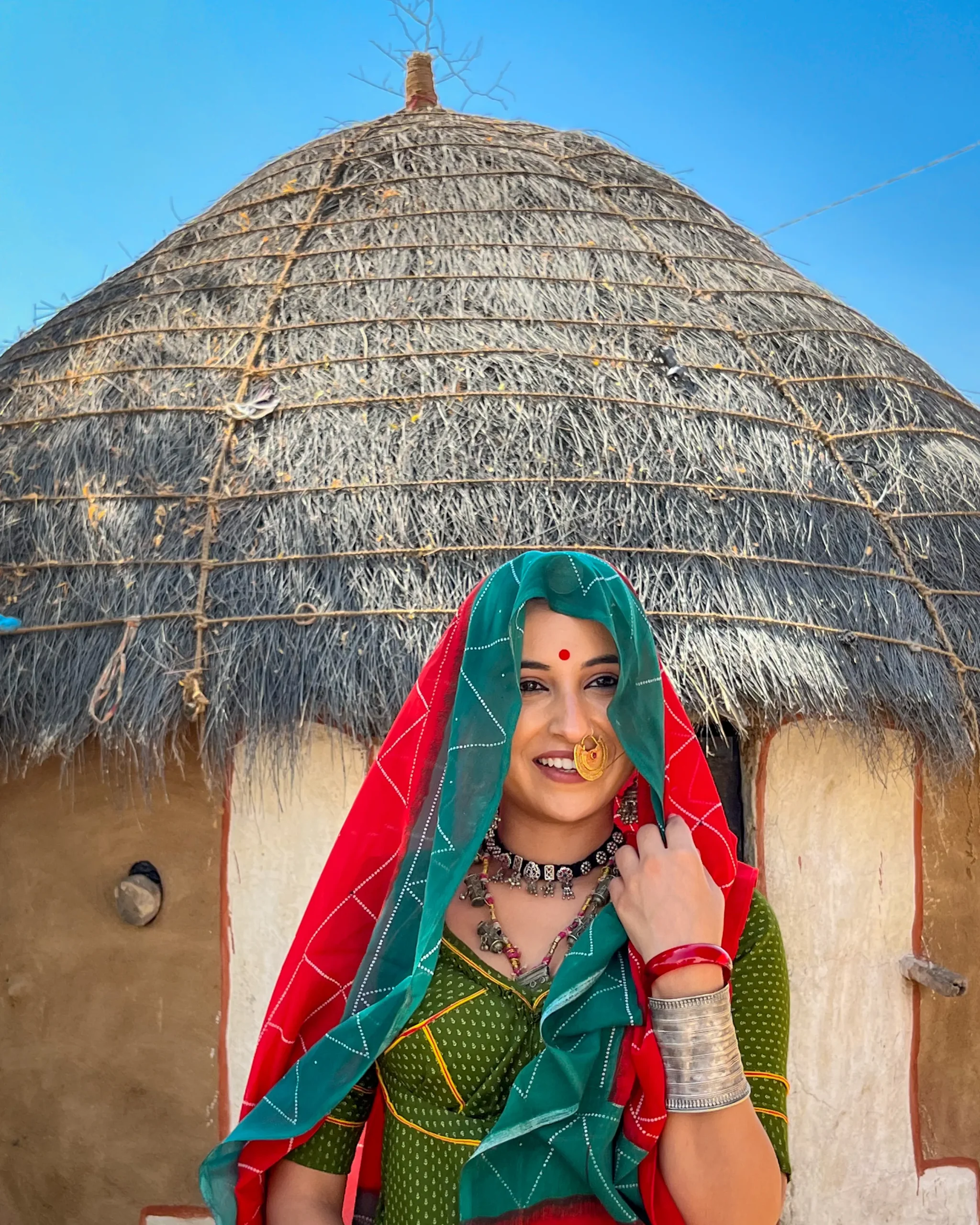
The artisans of the Pottery Village Jodhpur belong to the Prajapat community, often referred to as the “creators” of the village. According to local folklore, they are the descendants of Lord Vishwakarma, the divine architect.
Generational Mastery: In Singhasni, pottery is not a job; it is a genetic inheritance. A child starts feeling the texture of the clay at age five, and by twenty, they can shape a perfect Water Matka (pot) with their eyes closed.
Cultural Significance: In every Bishnoi household, these clay pots are essential. They are used for storing water (keeping it naturally cold), cooking organic meals, and performing sacred rituals, making the potter an indispensable part of the rural Rajasthani ecosystem.
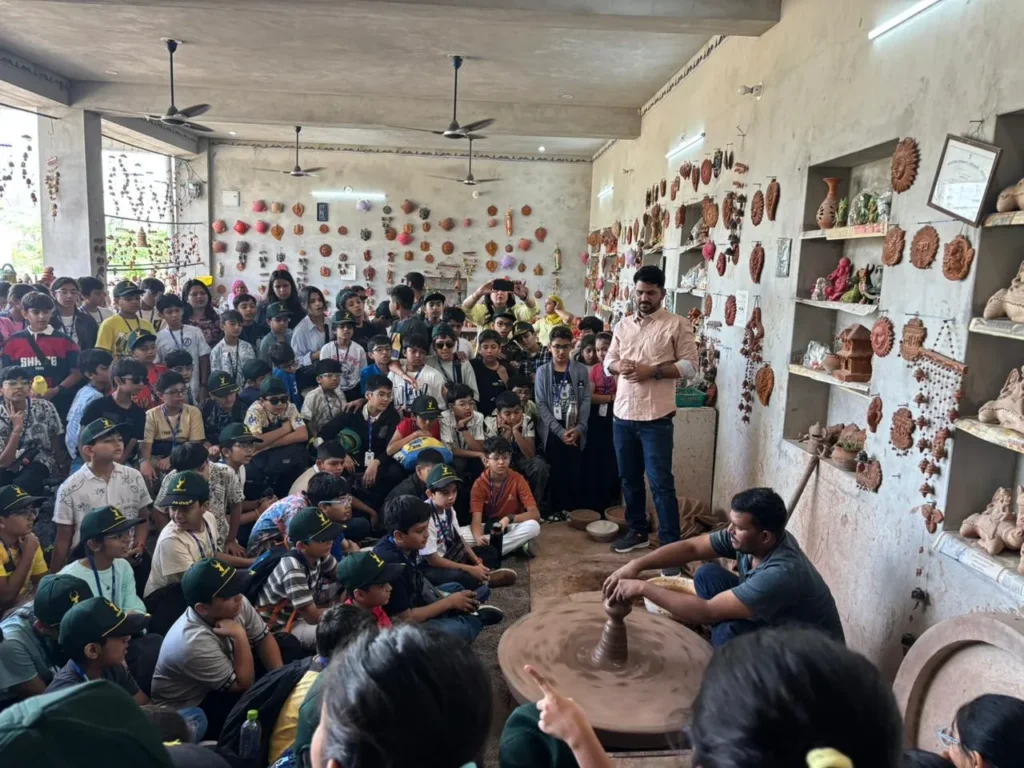
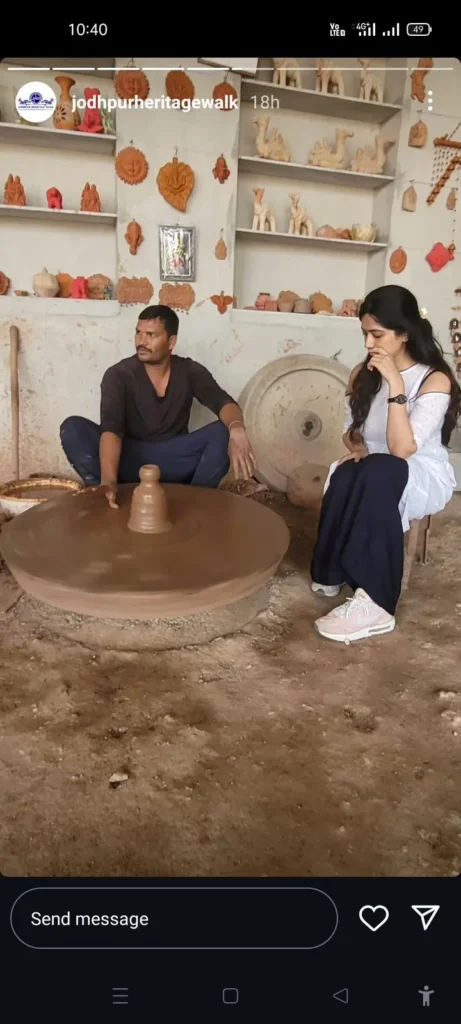
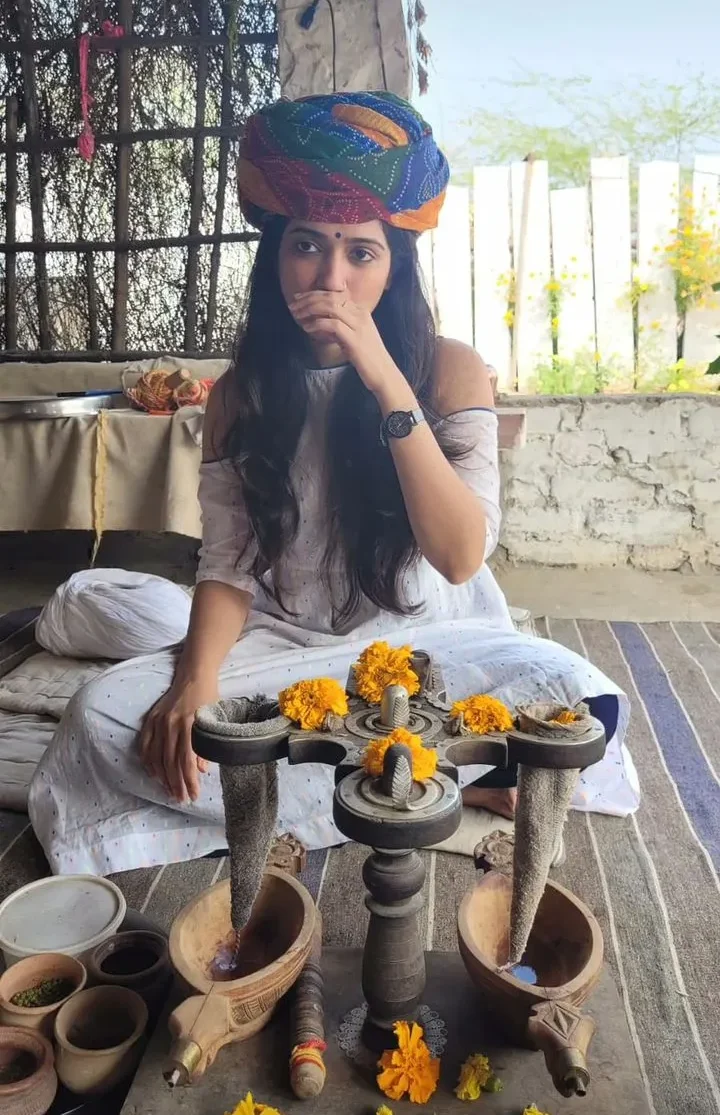
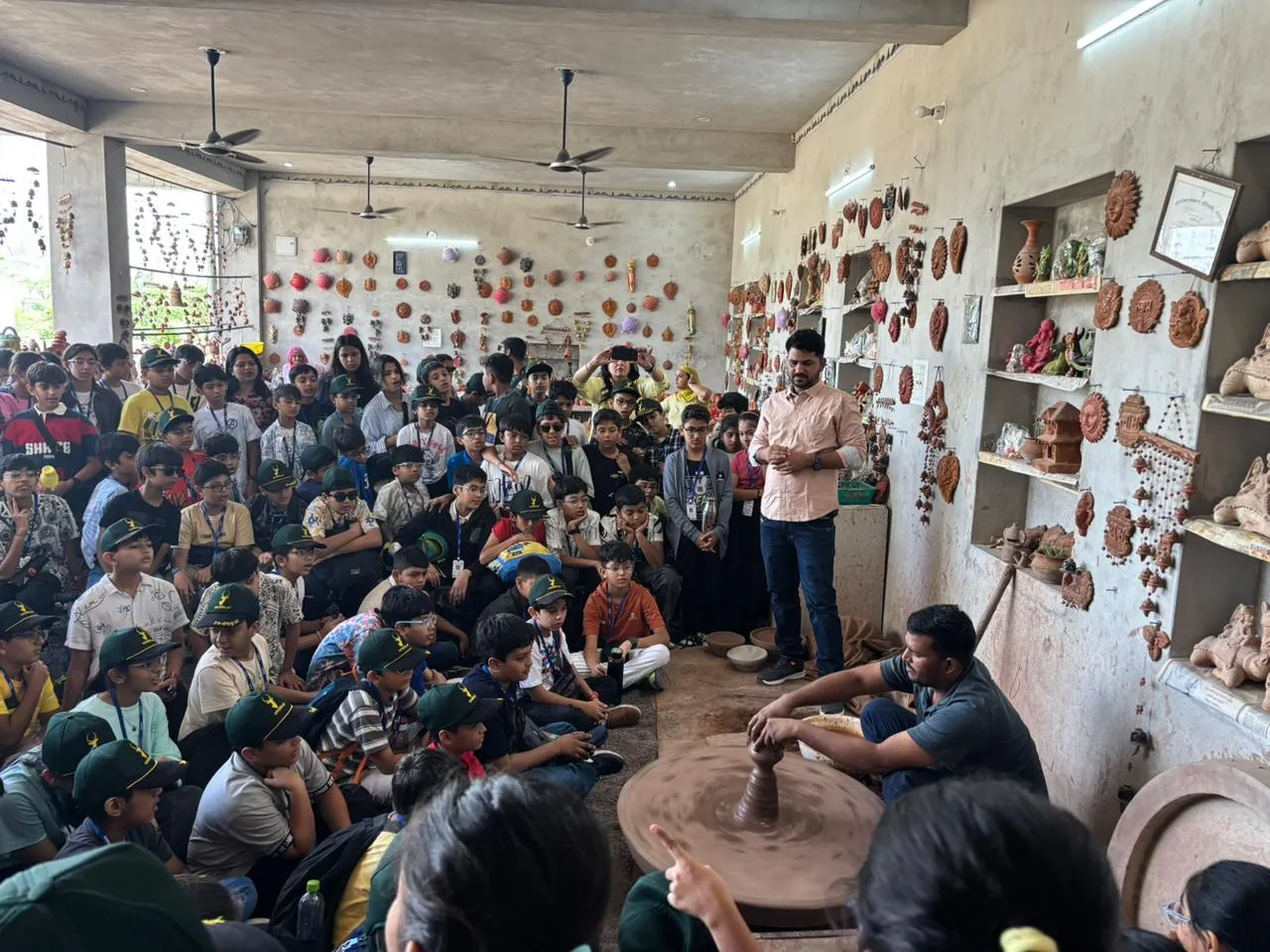
The centerpiece of our Jodhpur Village Safari is the live demonstration of the manual stone wheel.
Kinetic Energy in Art: Unlike modern electric wheels used in cities, these artisans use a 50kg solid stone wheel balanced on a tiny wooden pivot. They spin it with a stick (Lathi) to create enough momentum to shape 10–15 pots in one go.
Precision Engineering: Watch as the potter uses nothing but his wet palms to “pull” the clay. The speed of the wheel and the pressure of the fingers must be in perfect harmony—a skill that takes decades to master.
To truly appreciate authentic Jodhpur pottery, one must understand the grueling labor involved behind the scenes:
Sourcing the Soil: Not all mud is created equal. Artisans travel to specific dry lake beds to find “Kali Mitti” (Black Clay), which offers the best elasticity.
Pedal Kneading: The clay is mixed with water and kneaded by foot for hours. This removes air bubbles, ensuring the pot doesn’t crack in the high-heat traditional kilns.
The Firing (Ava): The dried pots are stacked in a pit kiln and covered with organic desert waste—dry grass and cow dung. They are fired at over 800°C, giving Jodhpur terracotta its signature deep orange-red hue.
Many travelers call the Pottery Village tour the most meditative part of their trip.
Hands-on Clay Workshop: We encourage our guests to sit at the wheel. Feeling the cool, wet earth take shape between your fingers is a therapeutic experience that connects you to the land.
Sustainable Souvenirs: Buying directly from the Singhasni potters ensures you get a 100% lead-free, organic product. From decorative “Surahis” to functional tea cups, these are zero-waste products that support the local artisan economy.
No-Commission Guarantee: Bhagirath Bishnoi ensures that your money goes 100% to the artist. We do not stop at “tourist trap” showrooms; we visit the artist’s own courtyard.
| Feature | Our Village Pottery Tour | City Souvenir Shops |
| Tool Used | Manual Stone Wheel (Chak) | Electric Motors |
| Source | Direct from Artisan’s Home | Mass-produced in Factories |
| Material | 100% Organic Desert Clay | Often mixed with chemicals |
| Experience | Live Demo & Interactive | Just a Sales Pitch |
| Price | Fair Trade (Direct to Potter) | High Commissions Included |
The pottery hamlets are located about 20km from Jodhpur city center.
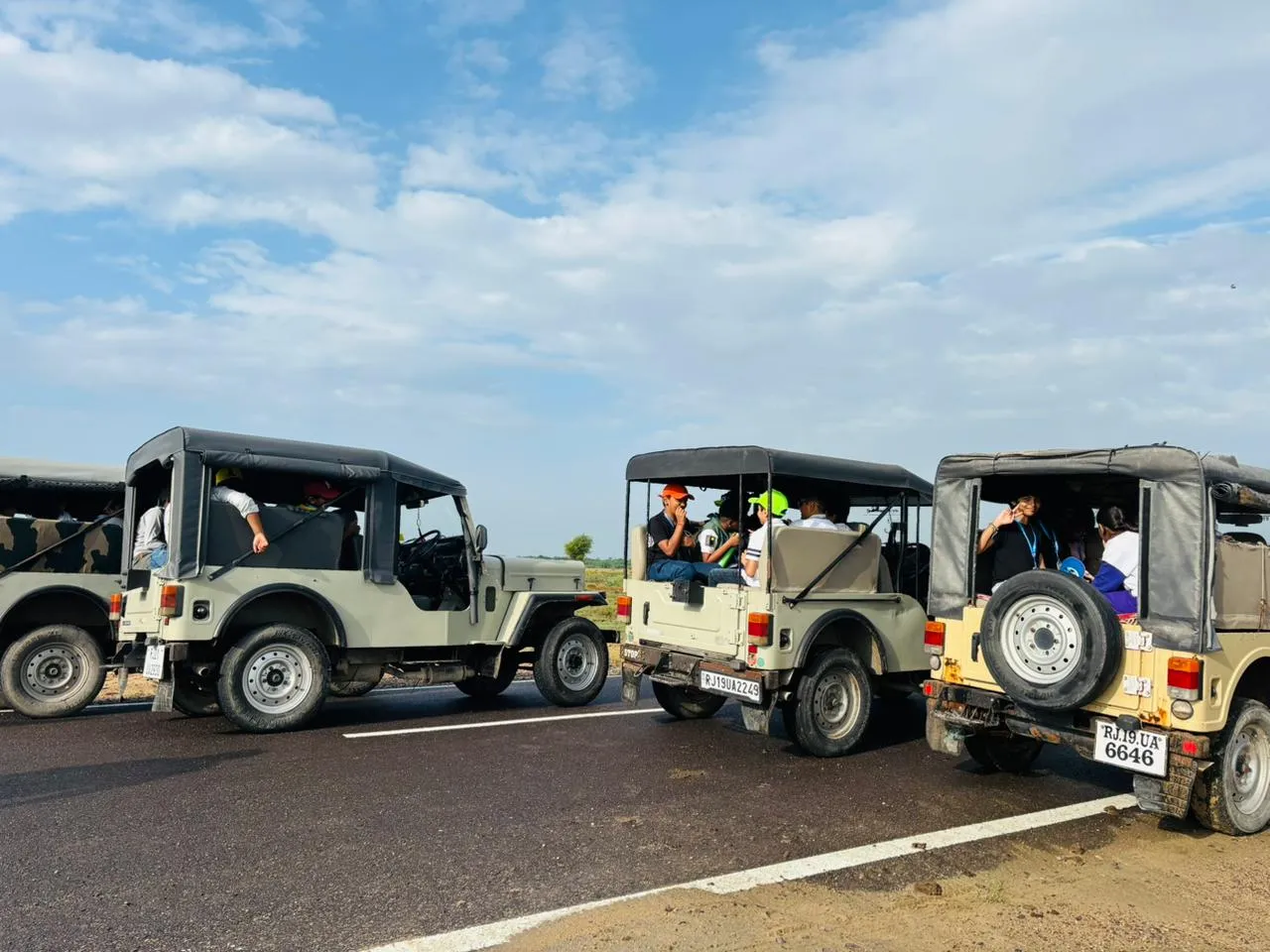
Best Way to Visit: As part of a half-day or full-day Bishnoi Village Safari.
Best Time: Early mornings (08:00 AM) or late afternoons (04:00 PM) when the light is perfect for photography and the kilns are often being opened.