Bishnoi Village Safari Jodhpur | Official Wildlife & Cultural Tours

The Bishnoi Community: Guardians of the Thar Desert Since 1485

Discover the 500-year legacy of the world’s first environmentalists. Where religion meets ecology, and wildlife is treated as family.

The Bishnoi Community: The World’s First Organized Environmentalists

The story of the Bishnoi Community is not just a chapter in Indian history; it is a 540-year-old blueprint for the future of our planet. While the modern world is just now discussing “sustainability” and “eco-friendly living,” the Bishnois have been practicing these concepts since 1485 AD.

To understand the Bishnoi community, one must look beyond the surface of a traditional Rajasthani tribe and see a society where religion and ecology are inseparable.

The Origin: A Visionary Beginning (1485 AD)

The sect was founded by Guru Jambheshwar Ji (affectionately known as Jambhoji). Born in a family of warriors (Rajputs) in the village of Peepasar, he witnessed a devastating drought that lasted for years.

He realized that the suffering of humans was directly linked to the destruction of nature. At the age of 34, during a meditation at Samrathal Dhora, he laid down a set of 29 divine commandments. These followers came to be known as Bishnois (Beesh = 20 + Noi = 9).

The 29 Principles: The First "Green" Constitution

The 29 Principles are the DNA of the Bishnoi identity. While some deal with personal hygiene and social conduct, the most famous ones are dedicated to the environment:

  • Rule 19 (Do not cut green trees): Specifically the Khejri tree, which is the lifeline of the desert.

  • Rule 18 (Be compassionate to all living beings): This is why wildlife feels safe in Bishnoi villages.

  • Rule 20 (Avoid Opium/Tobacco/Alcohol): To keep the mind and body pure for the service of nature.

Our USP: At Bishnoi Village Safari Jodhpur, we don’t just tell you these rules; we show you how they are practiced in daily life by families like Bhagirath Bishnoi’s.

The Legendary Sacrifice: The Chipko Movement’s True Origin

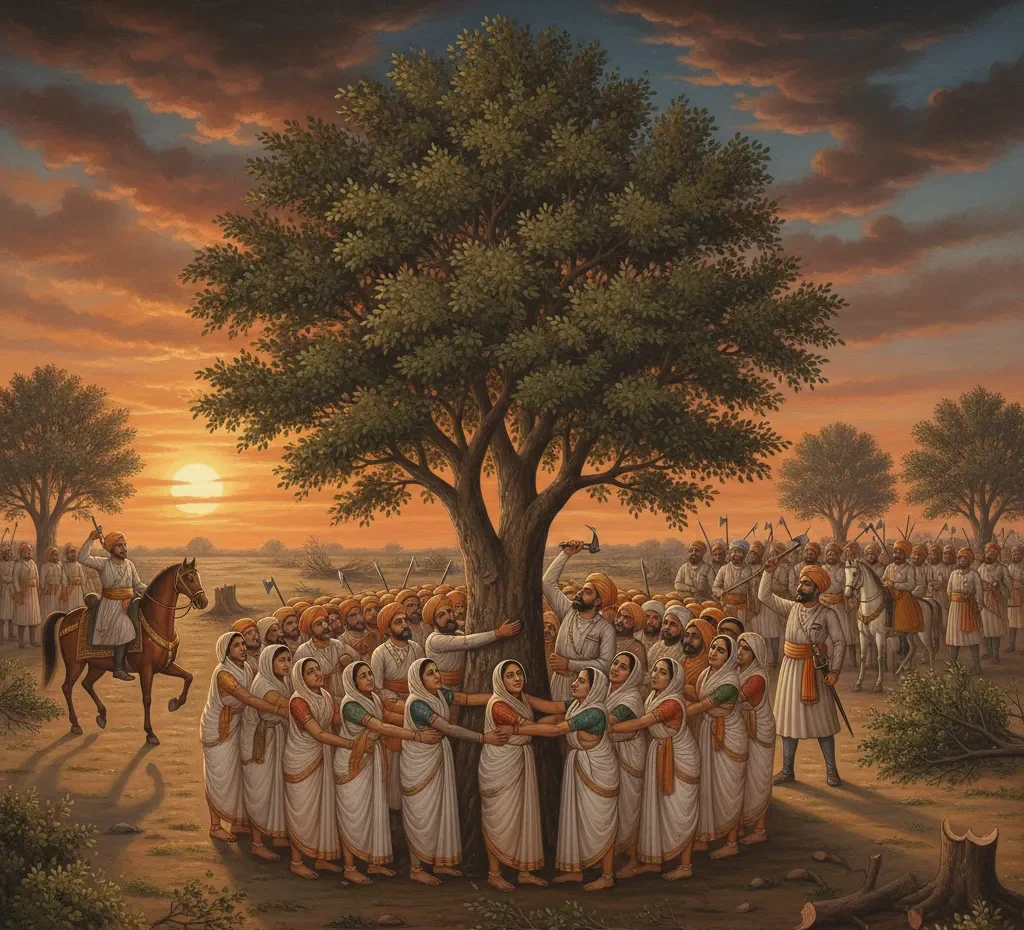
Long before the 1970s Chipko movement, the Bishnois performed the ultimate sacrifice in 1730 AD.

The Maharaja of Jodhpur wanted wood for his new palace and sent soldiers to cut the Khejri trees in Khejarli village. A brave woman named Amrita Devi Bishnoi stood in their way, saying:


She hugged the tree and was killed. Following her lead, 363 Bishnois—including her daughters—sacrificed their lives for the trees. This is the only incident in human history where hundreds of people died to save greenery.

The Legendary Sacrifice: The Chipko Movement’s True Origin

“Sar saunthe rukh rahe toh bhi sasto jaan” (If a tree is saved even at the cost of one’s head, it is a cheap price to pay).

Wildlife Conservation: Where Blackbucks Are Family

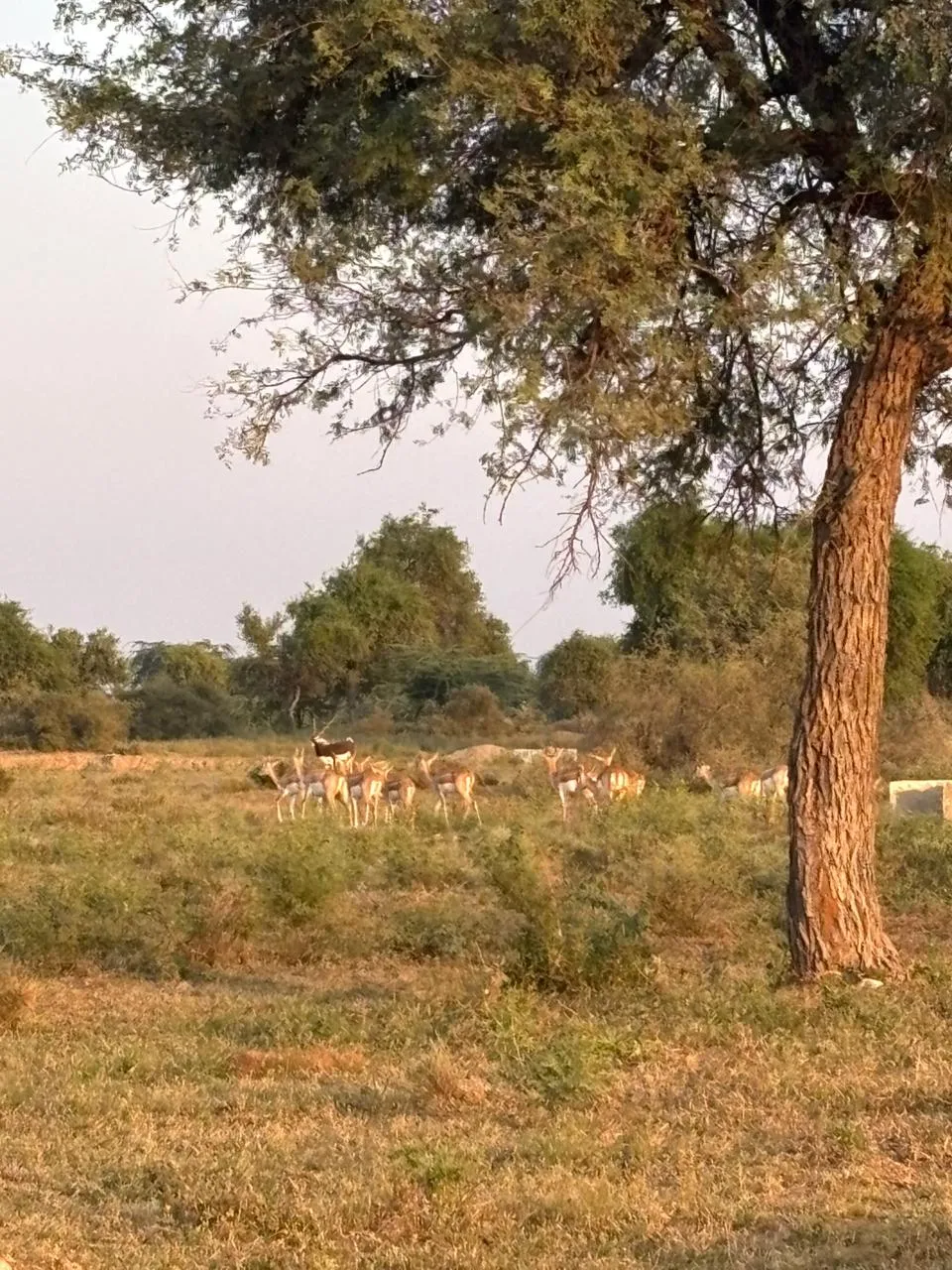
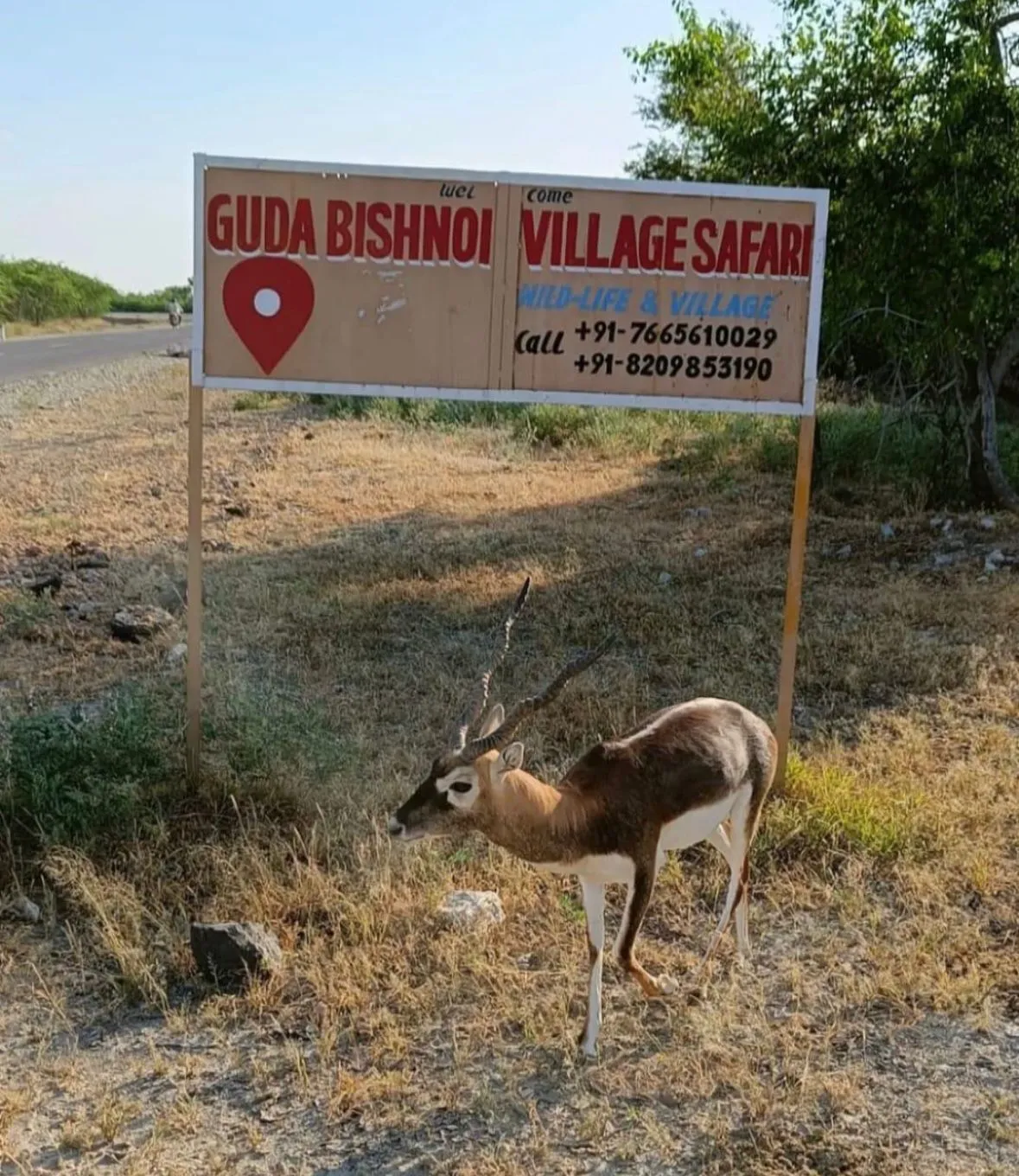
In a Bishnoi village, animals are not “wild”; they are neighbors. The Blackbuck (Indian Antelope) and Chinkara are considered sacred.

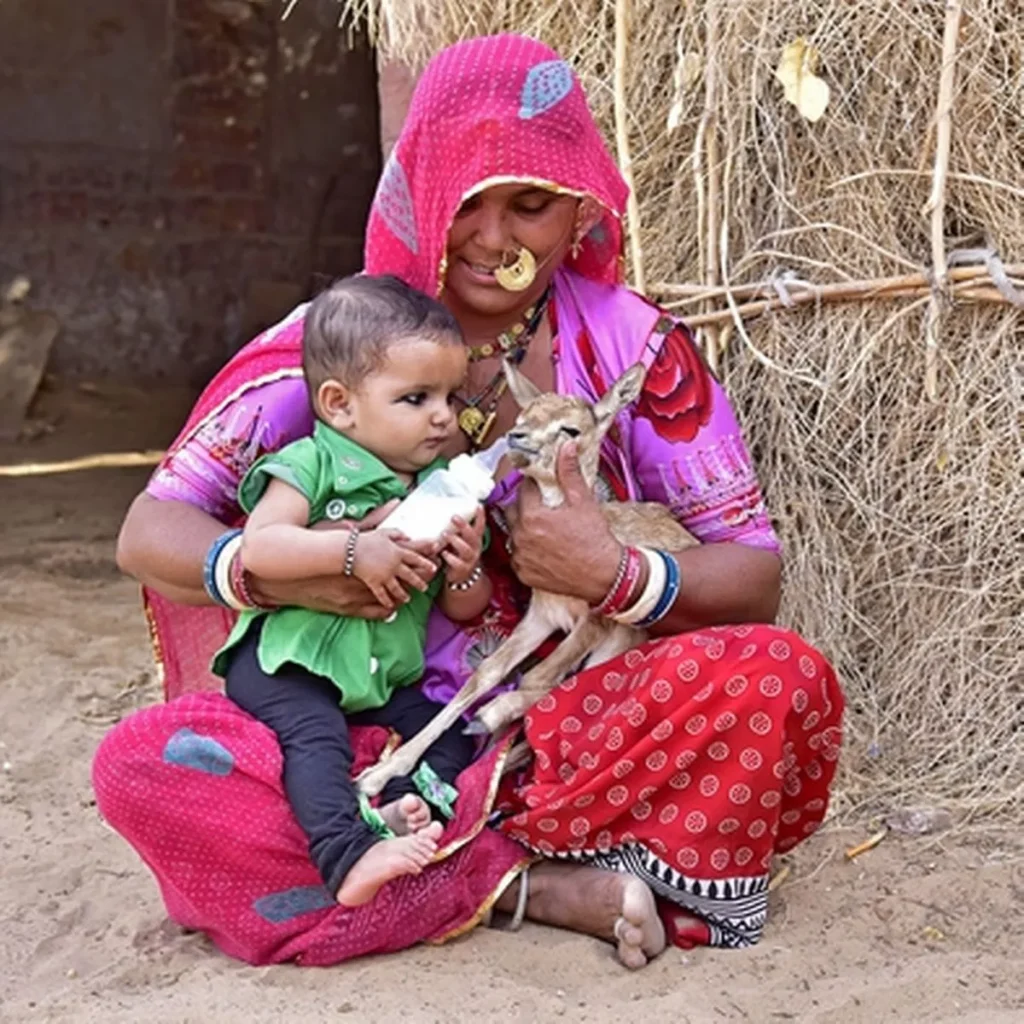
  • Sacred Bond: It is a common sight to see Bishnoi women nursing orphaned fawns as if they were their own children.

  • Protection: The community is known to take legal action against powerful poachers, proving that their commitment to Rule 18 is absolute.

  • Guda Lake Sanctuary: This lake exists as a thriving ecosystem today because the local community refuses to let it be commercialized or polluted.

Cultural Identity: Simple Living, High Thinking

The Bishnoi lifestyle is a reflection of their desert environment:

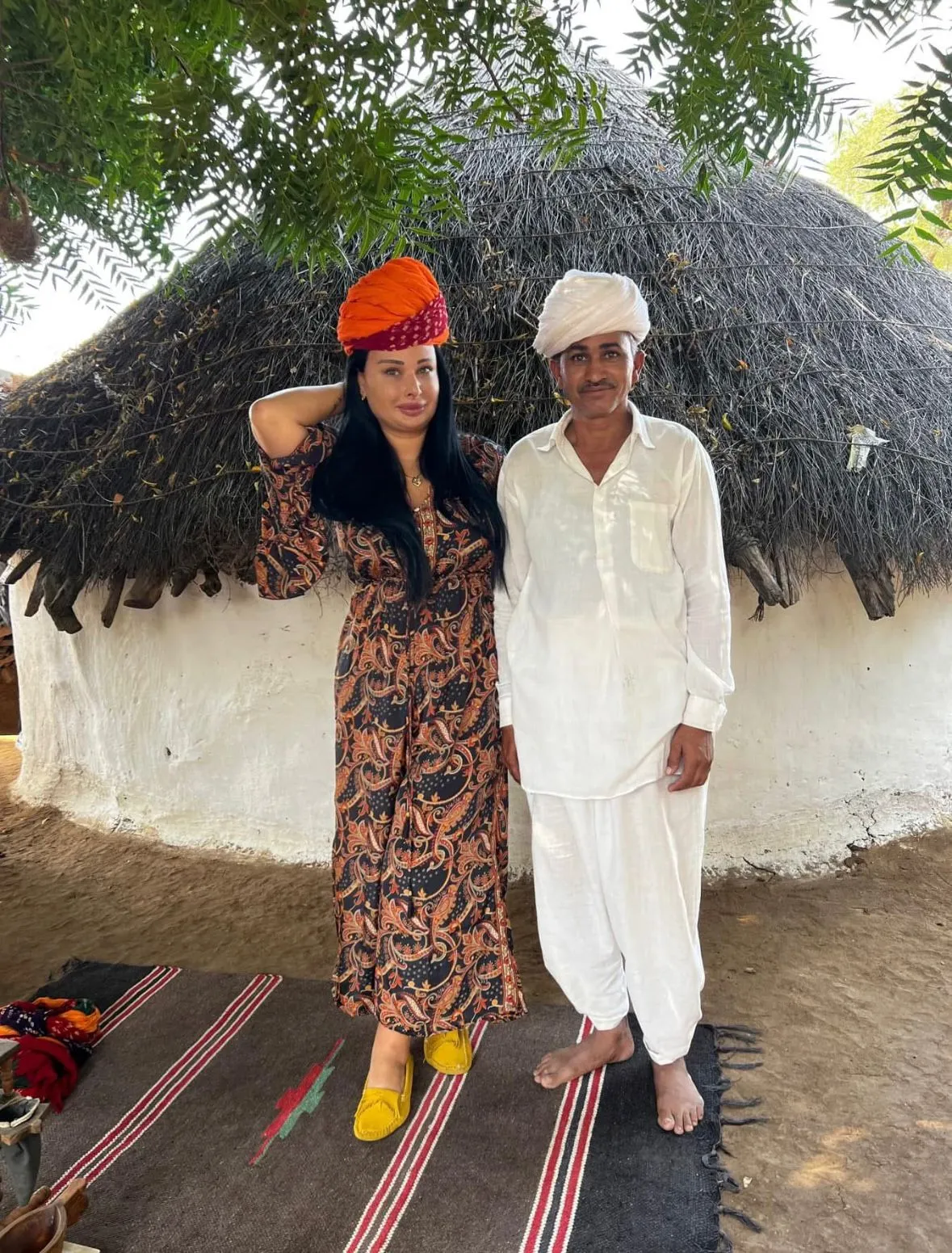
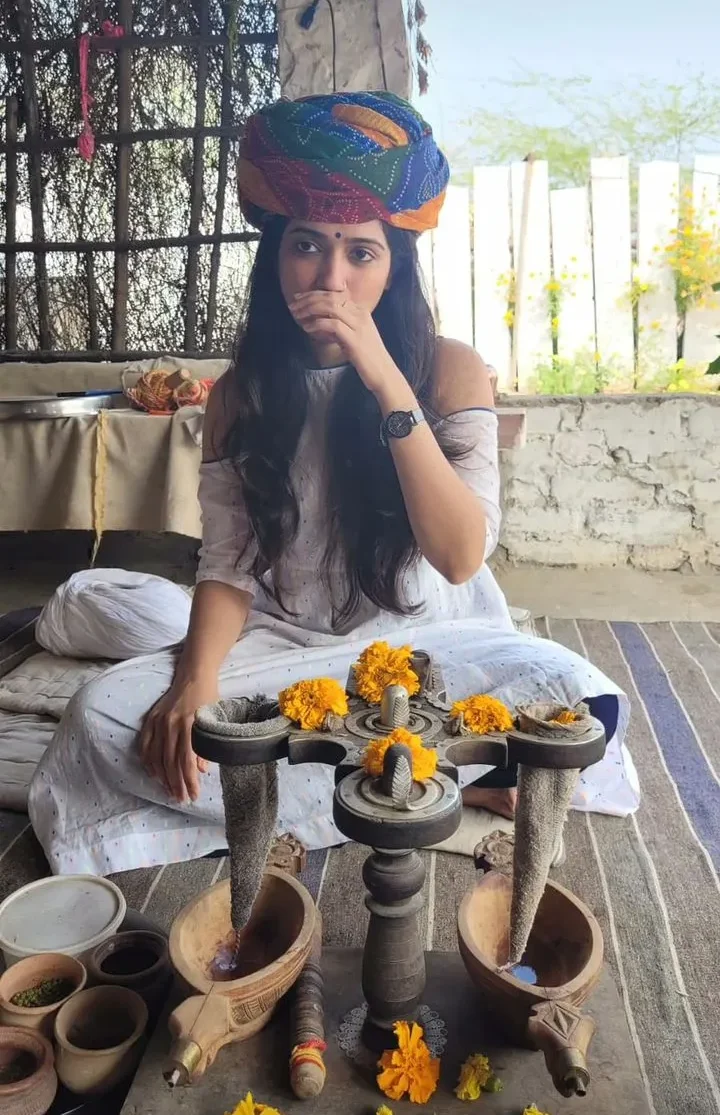
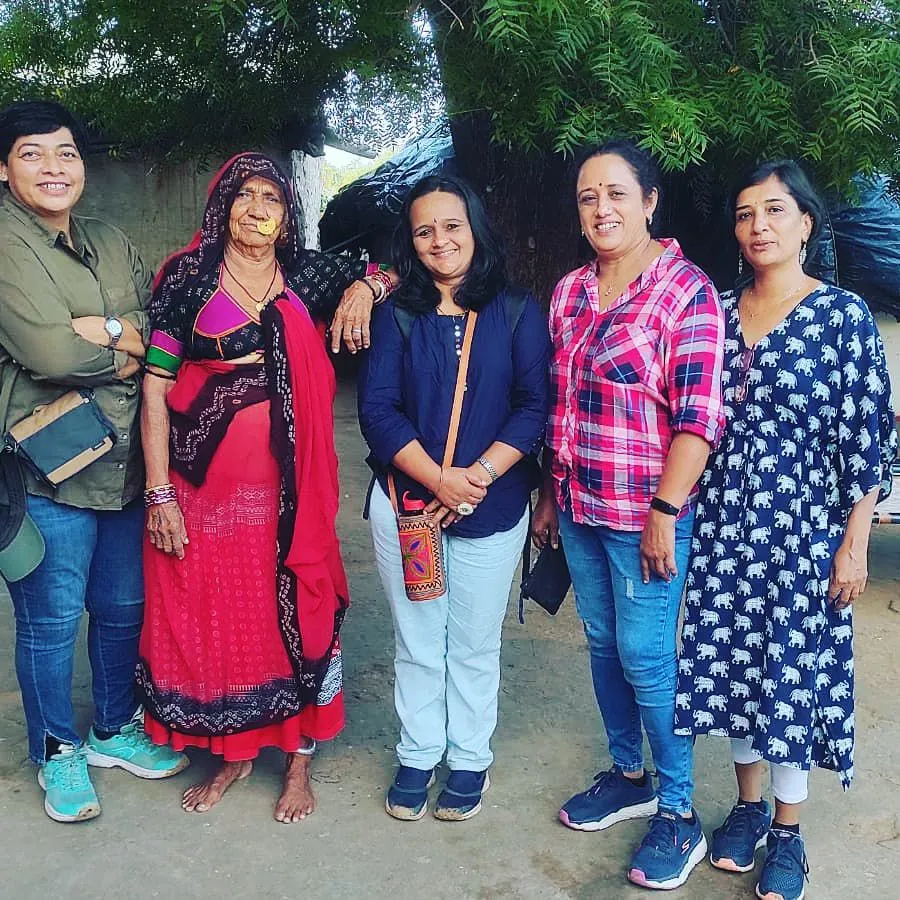
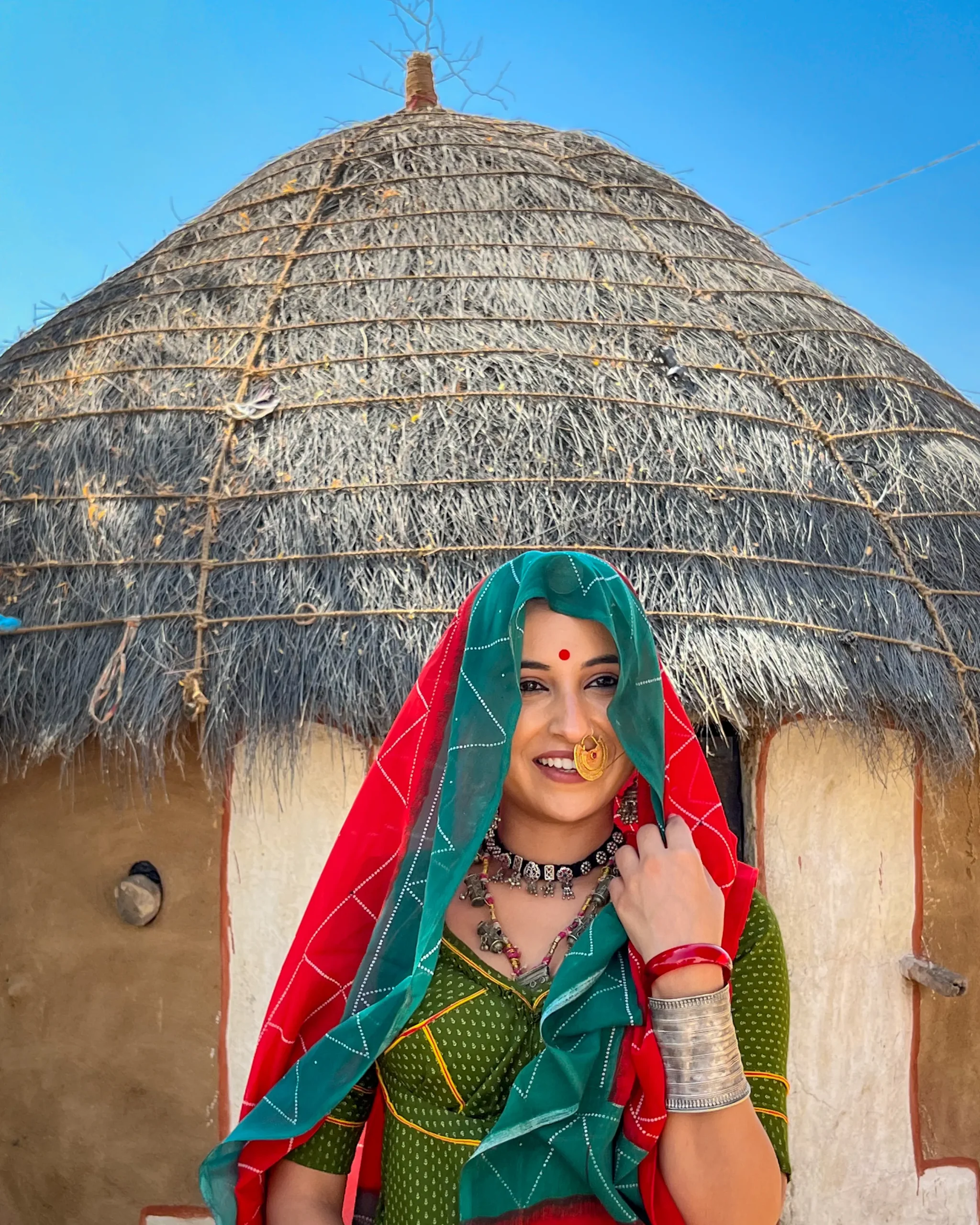
  • Attire: Men traditionally wear pristine white Dhotis and Turbans, symbolizing purity. Women wear colorful Poshaks with significant silver jewelry.

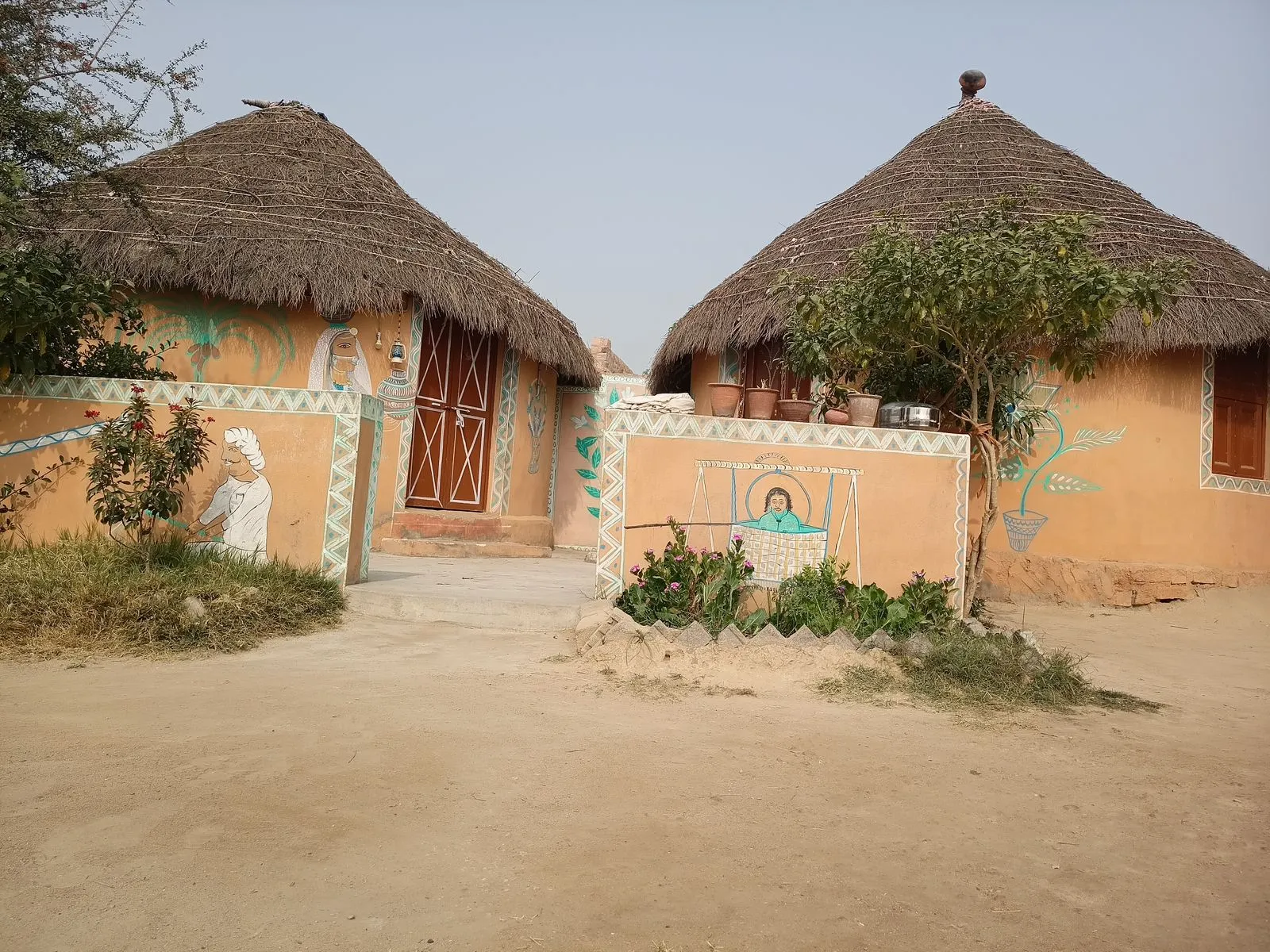
  • Architecture: Their homes (Dhanis) are built using natural materials like mud and thatch, which act as natural air conditioners in the 48°C desert heat.

  • Diet: A purely vegetarian diet consisting of pearl millet (Bajra), beans (Ker Sangri), and dairy.

Why the Bishnoi Philosophy Matters in 2026

As the world faces climate change, the Bishnoi community stands as a living example that nature and progress can coexist. They don’t use high-tech machines to save the earth; they use their religion and daily habits.

Quick Facts for Travelers:


FeatureDetails
FounderGuru Jambheshwar Ji (1451–1536)
Holy BookShabadwani (The 120 Shabads)
Main HeadquartersMukam Mukti Dham (Nokha, Rajasthan)
Sacred TreeKhejri (Prosopis cineraria)
Sacred AnimalBlackbuck (Antelope)

Experience the Bishnoi Way with Bhagirath Bishnoi

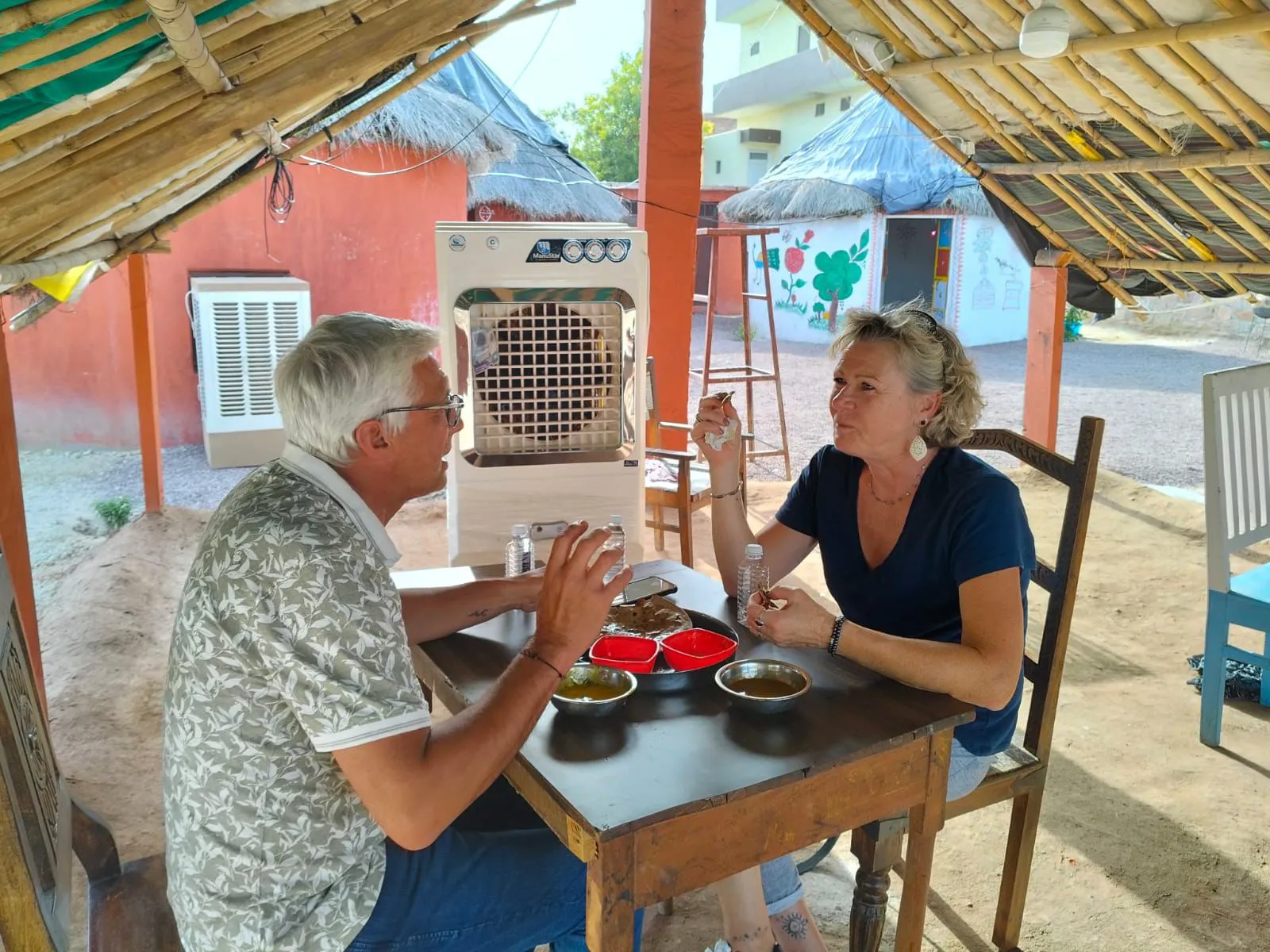
Reading about the community is one thing, but sitting with a Bishnoi family, sharing their food, and seeing the Blackbucks graze in their fields is an experience that changes your perspective on life.

Book your 100% authentic cultural journey today. We provide free Jodhpur city pickup to ensure you reach our village comfortably.

Frequently Asked Questions: Understanding the Bishnoi Community

The Bishnois are a religious sect found mainly in the Thar Desert of Rajasthan, India. They are world-renowned for their 500-year legacy of wildlife conservation and environmental protection.

The name “Bishnoi” is derived from the Rajasthani words ‘Beesh’ (twenty) and ‘Noi’ (nine), referring to the 29 sacred principles followed by the community.

The community was founded in 1485 AD by Guru Jambheshwar Ji (also known as Jambhoji) after he witnessed a devastating drought and realized the importance of nature conservation.

These are a set of commandments given by Guru Jambhoji that cover personal hygiene, social health, religious fasts, and most importantly, the protection of all living beings and green trees.

They are called so because they integrated nature conservation into their religion over 500 years ago, protecting trees and animals as a sacred duty long before modern ecology movements.

It was a historic event where 363 Bishnois, led by Amrita Devi, sacrificed their lives to stop the King’s soldiers from cutting down sacred Khejri trees.

Yes. The modern Chipko Movement (tree-hugging movement) was directly inspired by the 1730 sacrifice of the Bishnoi community in Khejarli.

The Khejri is the “Lifeline of the Desert.” It provides fodder, shade, and fuel, and Rule 19 of the Bishnoi principles strictly forbids cutting a green Khejri tree.

Bishnois believe that all living beings are sacred. The Blackbuck (Indian Antelope) is especially protected and treated like a family member because of Guru Jambhoji’s teachings on compassion.

Yes. It is a unique and documented tradition where Bishnoi women often breastfeed orphaned deer fawns to ensure their survival, treating them as their own children.

Taste the Authentic Culture Bishnoi Village Safari

Experience the warmth of a traditional Rajasthani welcome. Book directly with Bhagirath Bishnoi for an exclusive, non-commercial tour that takes you into the heart of our homes and history.