Bishnoi Village Safari Jodhpur | Official Wildlife & Cultural Tours

When to Visit the Heart of the Thar?

From the Siberian cranes of winter to the golden sunsets of summer—plan your perfect Bishnoi Village Safari with our month-by-month expert guide.

Best Time to Visit Bishnoi Village Jodhpur: Monthly Weather & Wildlife Guide

Planning a trip to the heart of the Thar Desert requires more than just a calendar. To truly experience the magic of the Bishnoi Village Safari, you need to align your visit with the seasons of the desert, the migration of the birds, and the vibrant festivals of the Bishnoi community.

Whether you are a wildlife photographer, a culture seeker, or a slow traveler, here is your definitive month-by-month guide to visiting Jodhpur’s most iconic eco-village.

1. The Peak Season: October to March (Winter)

The Best Time for: Wildlife, Photography, and Comfort.

This is undoubtedly the “Golden Period” for a safari with Bhagirath Bishnoi.

  • Weather: Pleasant and cool. Daytime temperatures range from 20°C to 25°C, while nights can be chilly (6°C to 10°C).

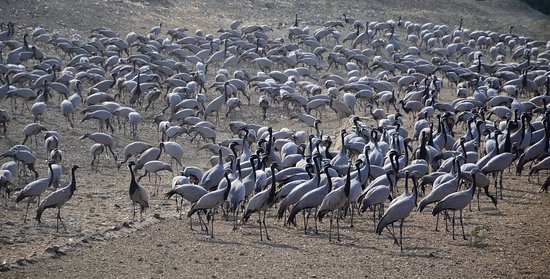
  • Wildlife Spotlight: This is the best time for Bird Watching. Thousands of Demoiselle Cranes (Kurjan) migrate from Siberia to Guda Bishnoi Lake.

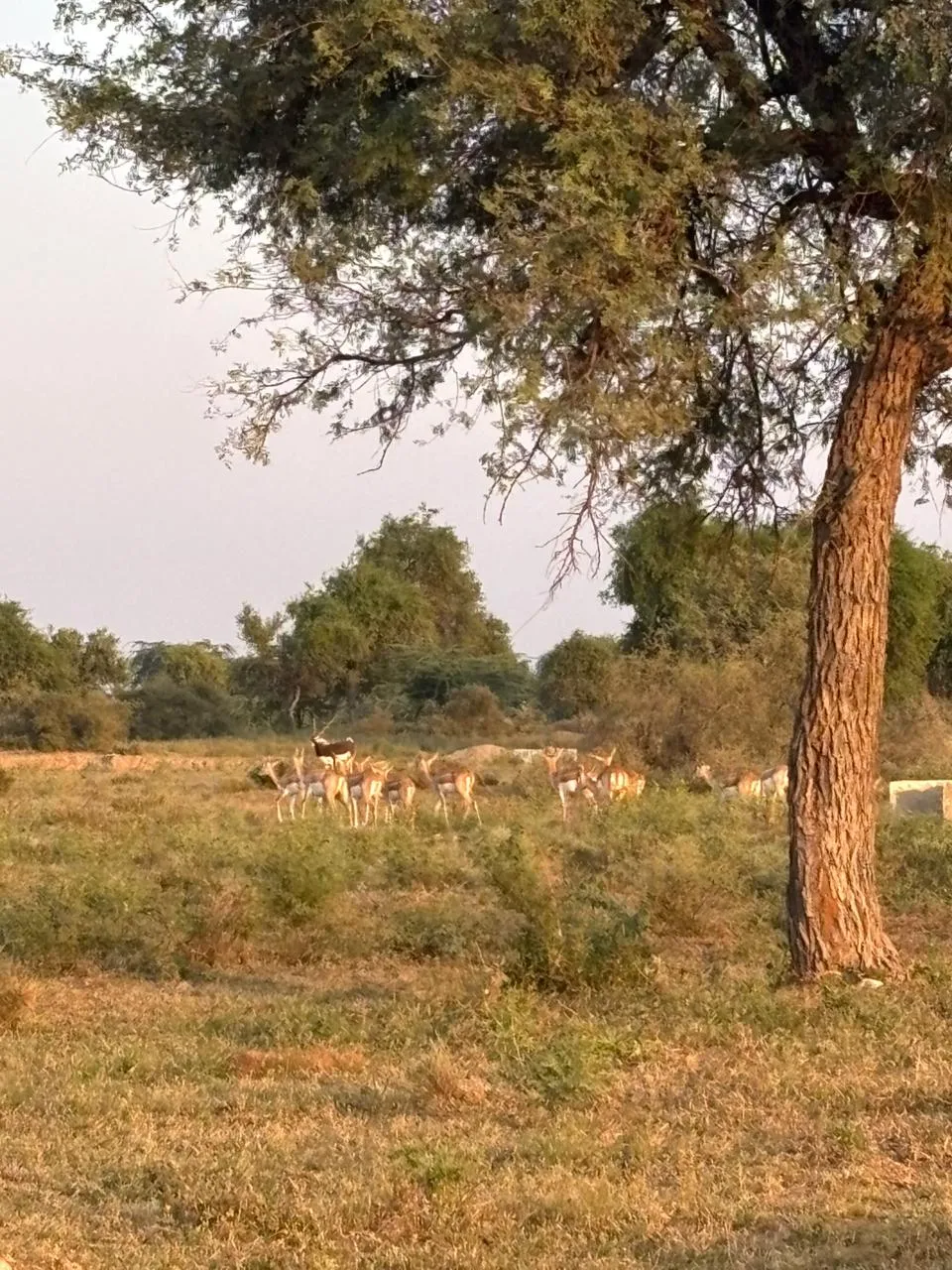
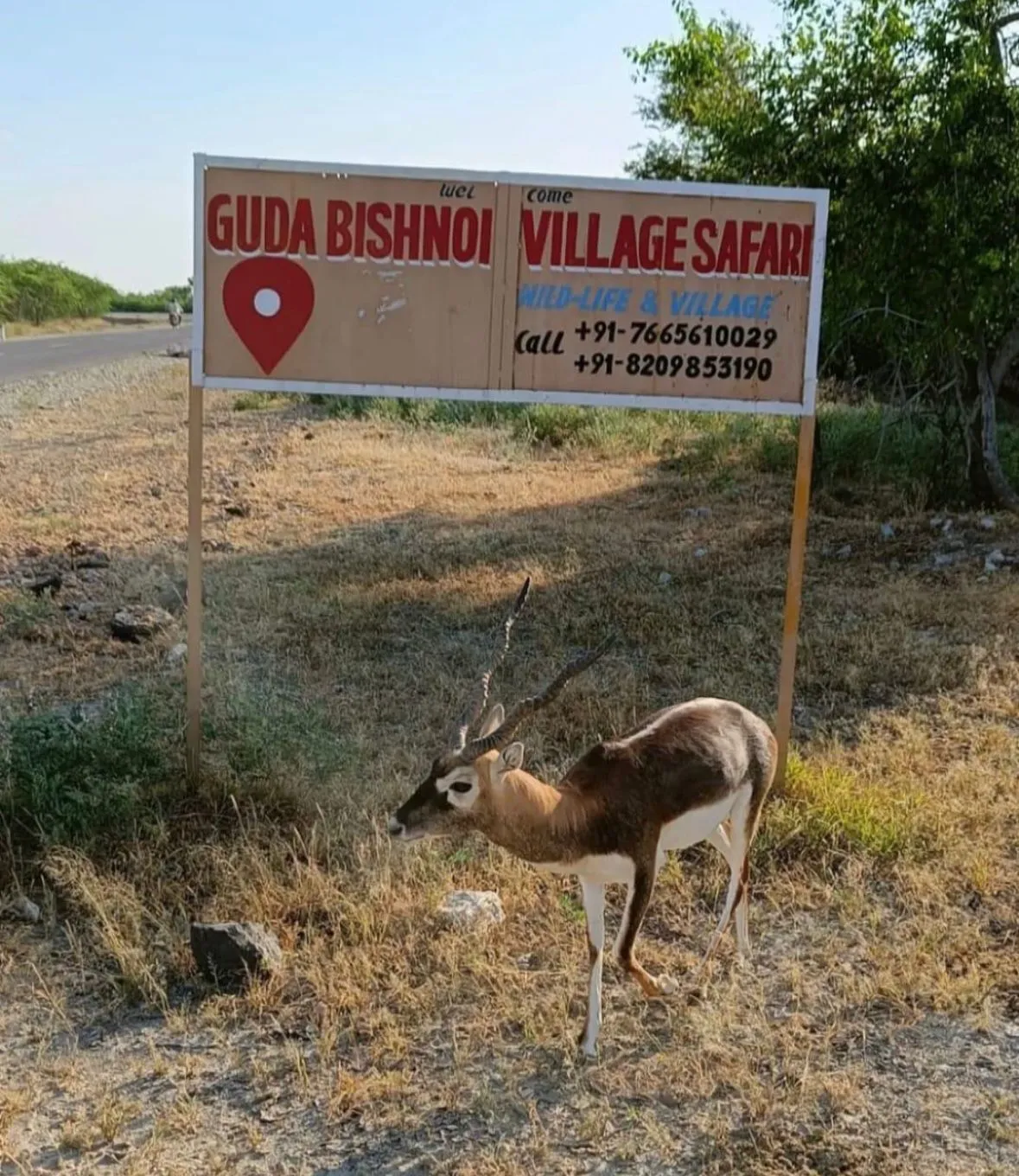
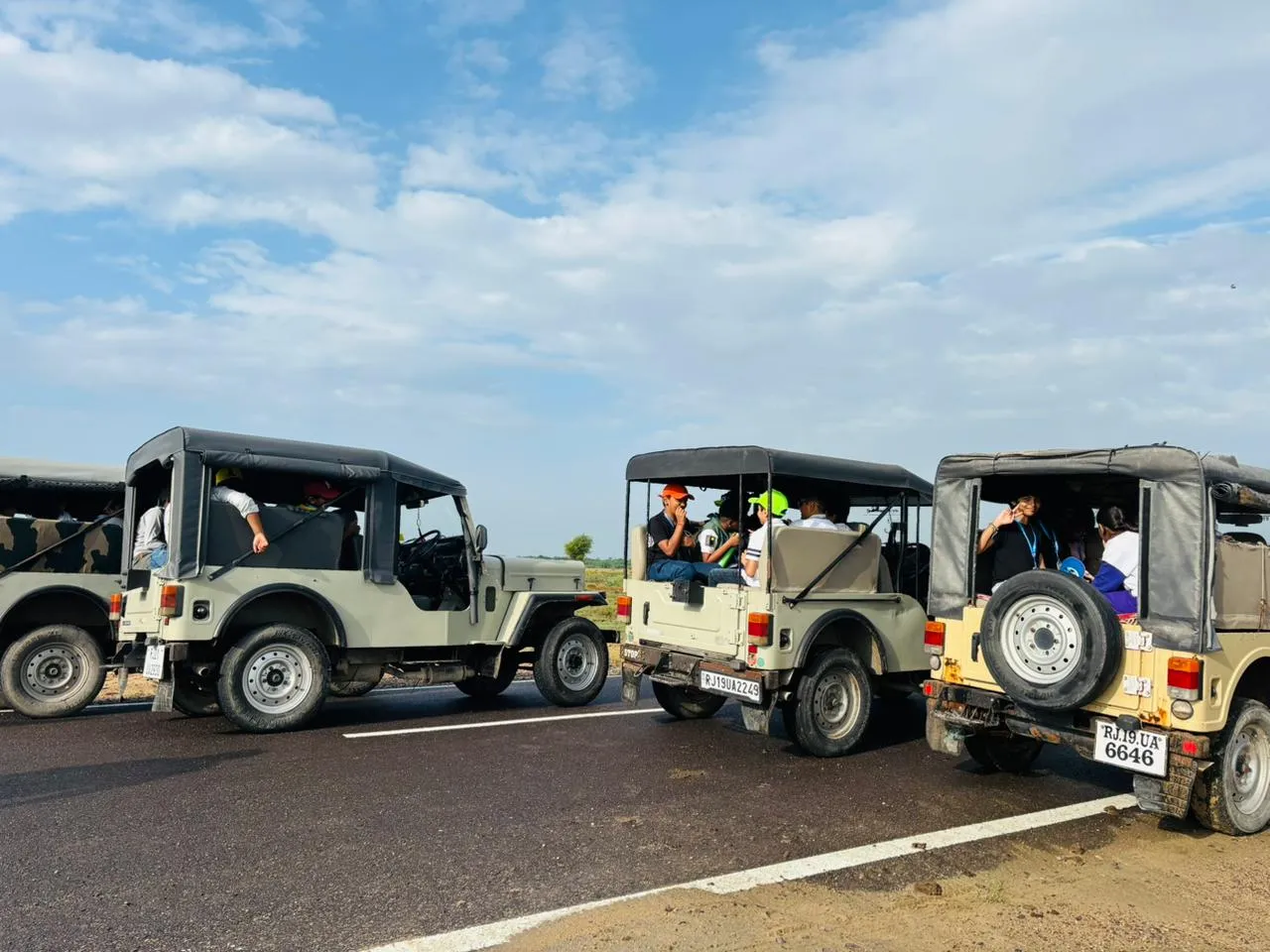
  • Activity: Perfect for long 4×4 Jeep Safaris without the heat. The Blackbucks and Chinkaras are most active during the sunny afternoons.

2. The Shoulder Season: July to September (Monsoon)

The Best Time for: Nature Lovers & Budget Travelers.

While many avoid the desert in the rains, the monsoon transforms the Thar into a rare, green paradise.

  • Weather: Humid but refreshing. The desert blooms with “Khejri” greenery and local grasses.

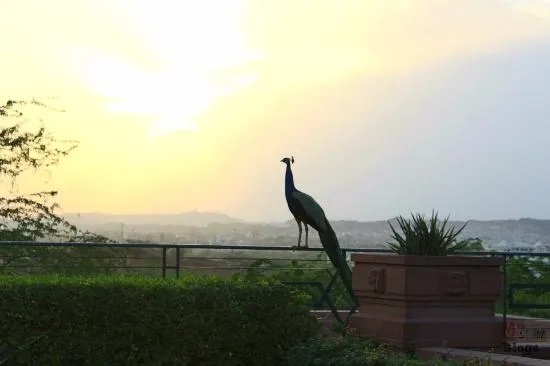
  • Wildlife Spotlight: You can witness the peacocks dancing in the fields—a sight you rarely see in the dry months.

  • Cultural Experience: You can see the traditional farming techniques as the Bishnoi families begin sowing their organic Bajra crops.

3. The Off-Peak Season: April to June (Summer)

The Best Time for: Serious Wildlife Tracking.

The Rajasthani summer is harsh, but for the brave traveler, it offers unique advantages.

  • Weather: Hot. Temperatures can soar to 42°C – 46°C. Safaris are strictly conducted in the early morning (sunrise) or late evening (sunset).

  • Wildlife Spotlight: Since water sources dry up, animals like the Blackbuck and Desert Fox congregate around the remaining water holes at Guda Lake, making sightings 100% guaranteed.

  • Pro Tip: Always carry a hat, linen clothes, and drink plenty of “Chaas” (buttermilk) provided during our village lunch.

Monthly Weather & Sightseeing Chart


MonthTemp (High/Low)Safari ExperienceBird Watching
January24°C / 8°C⭐⭐⭐⭐⭐ (Excellent)Peak Migration
March32°C / 15°C⭐⭐⭐⭐ (Great)Last Migration
May44°C / 28°C⭐⭐⭐ (Hot but Clear)Waterhole sightings
August34°C / 25°C⭐⭐⭐⭐ (Greenery)Local Peacocks
October35°C / 19°C⭐⭐⭐⭐⭐ (Season Starts)Bird Arrival
December23°C / 7°C⭐⭐⭐⭐⭐ (Best Weather)Peak Birding

Special Cultural Dates to Note

If you want to see the true spirit of the community, try to align your safari with these events:

  1. Guru Jambheshwar Ji Fairs (Lalaas & Mukam): Held twice a year (Phalguna and Ashvin months). The village is filled with spiritual energy.

  2. Amrita Devi Martyrs Day: September marks the anniversary of the Khejarli sacrifice. It is a powerful time to visit the memorial.

What to Carry for your Safari?

  • Winter: A light jacket for the morning Jeep ride and a scarf.

  • Summer: High-SPF sunscreen and polarized sunglasses for the desert glare.

  • Camera: A 70-300mm lens is ideal for capturing the shy Blackbucks from a distance.

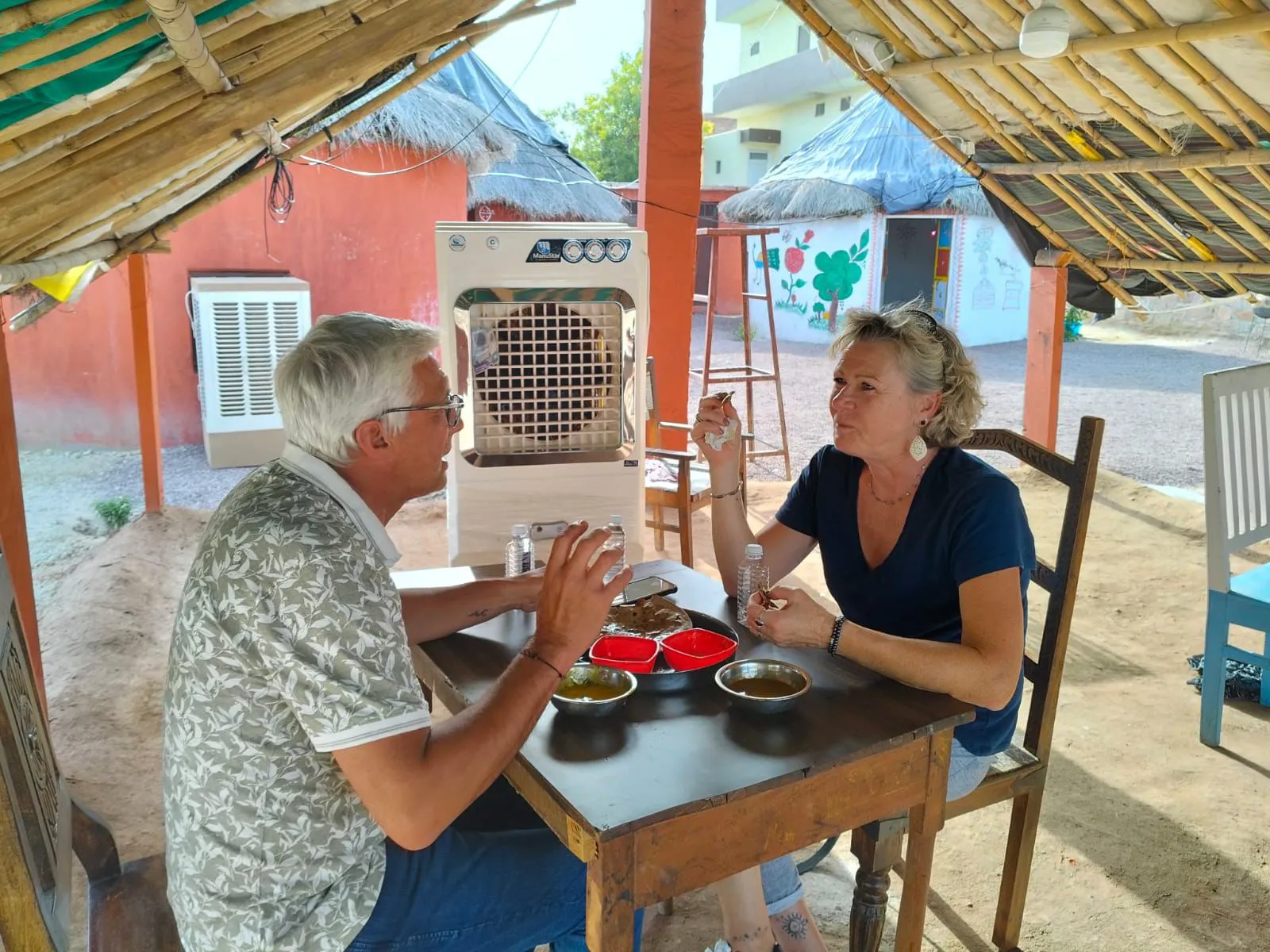
Taste the Authentic Culture Bishnoi Village Safari

Experience the warmth of a traditional Rajasthani welcome. Book directly with Bhagirath Bishnoi for an exclusive, non-commercial tour that takes you into the heart of our homes and history.