Bishnoi Village Safari Jodhpur | Official Wildlife & Cultural Tours

In the year 1485, amidst a devastating drought in the Thar Desert, a visionary named Guru Jambheshwar Ji realized a truth that the modern world is only now beginning to grasp: Humanity cannot survive if nature dies. He did not just give a speech; he codified a way of life. He established 29 Commandments that transformed a group of people into the world’s first organized ecological task force. These are the Bishnois—named after the count of their laws (Beesh + Noi).
The 29 principles are not random religious dictates. They are a sophisticated system divided into four vital categories: Internal Purity, Social Ethics, Environmental Laws, and Health.
These are the laws that make the Bishnoi community unique in global history.
Rule 19: Prohibiting the Felling of Green Trees. This is the soul of the Bishnoi faith. In the desert, the Khejri tree is the “Kalpavriksha” (Tree of Life). By banning the cutting of any green tree, Guru Jambhoji ensured the desert would not expand, protecting the soil and the local climate.
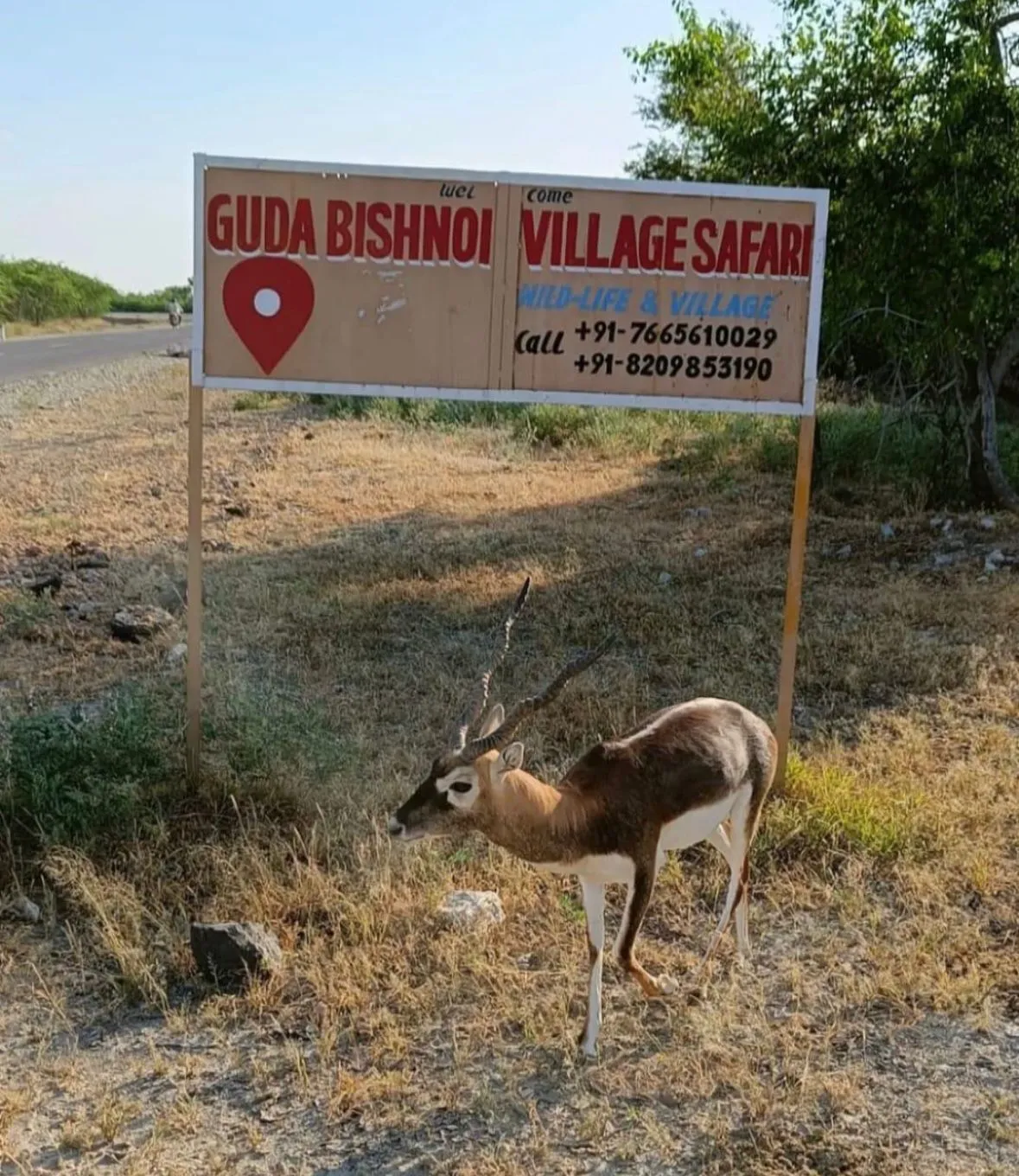
Rule 18: Be Compassionate to All Living Beings. This law removes the “boundary” between humans and animals. It is the reason why Blackbucks and Chinkaras in Jodhpur do not run away when they see a Bishnoi villager.
Rule 16: Forbidding the Castration of Bulls. In an era where animals were treated as mere tools, this rule demanded respect for the animal’s natural dignity and biological integrity.
Guru Jambhoji knew that a community could only protect nature if they were physically and mentally strong.
Rule 1: Daily Morning Bath. A fundamental rule for hygiene in a harsh desert climate.
Rule 2: Maintaining Internal and External Purity. This focuses on the cleanliness of both the body and the thoughts.
Rule 6: Filtering Water, Milk, and Fuelwood. This is a fascinating ecological rule. Why filter fuelwood? To ensure that no small insects are accidentally burnt in the fire. This level of “Micro-Compassion” is found nowhere else in the world.
Rule 13: Avoiding Meaningless Debates. To save mental energy and maintain community peace.
Rule 15: Always Telling the Truth. Building a foundation of trust within the community.
Rule 20-24: The Ban on Intoxicants. Guru Jambhoji strictly forbade Opium, Tobacco, Cannabis, Alcohol, and Meat. He knew that addiction destroys the family structure and clouds the judgment needed to protect the environment.
For the ease of our global readers, here is the breakdown of the sacred 29:
| Category | Principle Focus | Benefit to Society |
| Daily Habits | Morning bath, prayer, and meditation | Physical and mental clarity |
| Consumption | Filtered water, milk, and wood | Protection of microbial life |
| Social Conduct | Truthfulness, patience, and modesty | Community harmony |
| Prohibitions | No stealing, no lying, no slandering | Moral integrity |
| Dietary Laws | Pure vegetarianism, no intoxicants | Physical health and spiritual growth |
| Environmental | No cutting green trees, mercy to animals | Ecological balance and climate control |
The 363 martyrs who died in 1730 did not die for a “political cause.” They died because Rule 19 was written in their hearts. When Amrita Devi hugged that tree, she wasn’t just hugging wood; she was upholding a 250-year-old commandment.
Today, as we face global warming, the 29 Principles of the Bishnoi community are no longer just “village rules”—they are a Global Necessity.
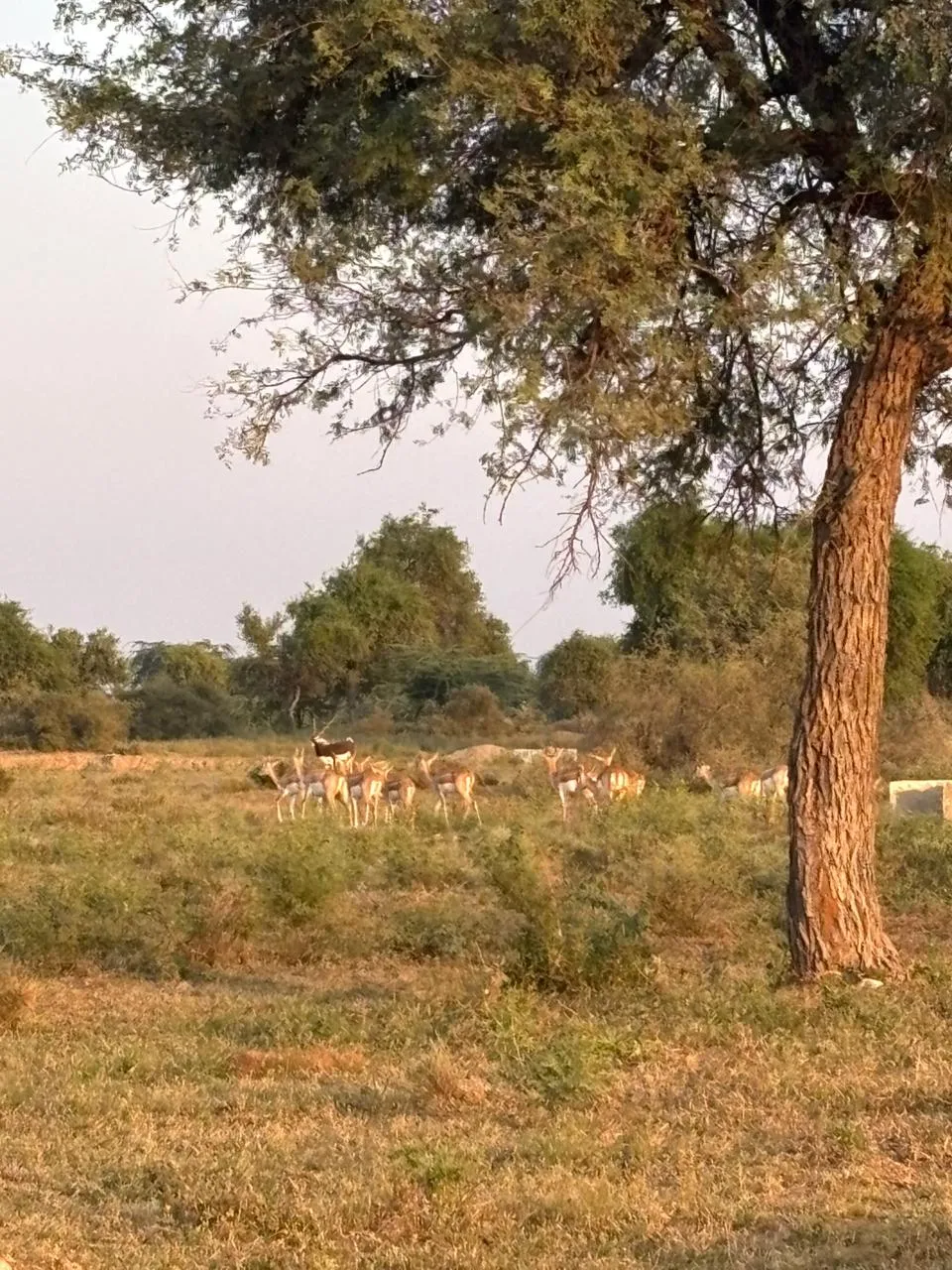
Scientific Name: Antilope cervicapra
The sacred animal of the Bishnois. Males have spiral horns and dark coats, while females are fawn-colored. They are fast, agile, and often seen jumping near the villages.
Origin: Mongolia & Siberia
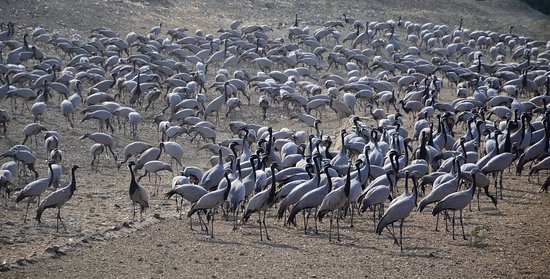
Thousands of these elegant birds migrate to Guda Lake every winter (Oct-March). The sky turns grey with their wings. A spectacular sight for birdwatchers.
Status: Shy & Elusive
Smaller than the Blackbuck, these shy gazelles are masters of camouflage in the desert sand. Our guides know exactly where to find them.