Bishnoi Village Safari Jodhpur | Official Wildlife & Cultural Tours

The Magic Carpets of Salawas: Where Every Thread Tells a Story

Step into the world of the Prajapat weavers. Witness the 14-generation legacy of the Panja Dhurrie—hand-knotted, natural-dyed, and 100% authentic.

Salawas Weavers Village: Authentic Hand-Knotted Durries & Panja Rugs

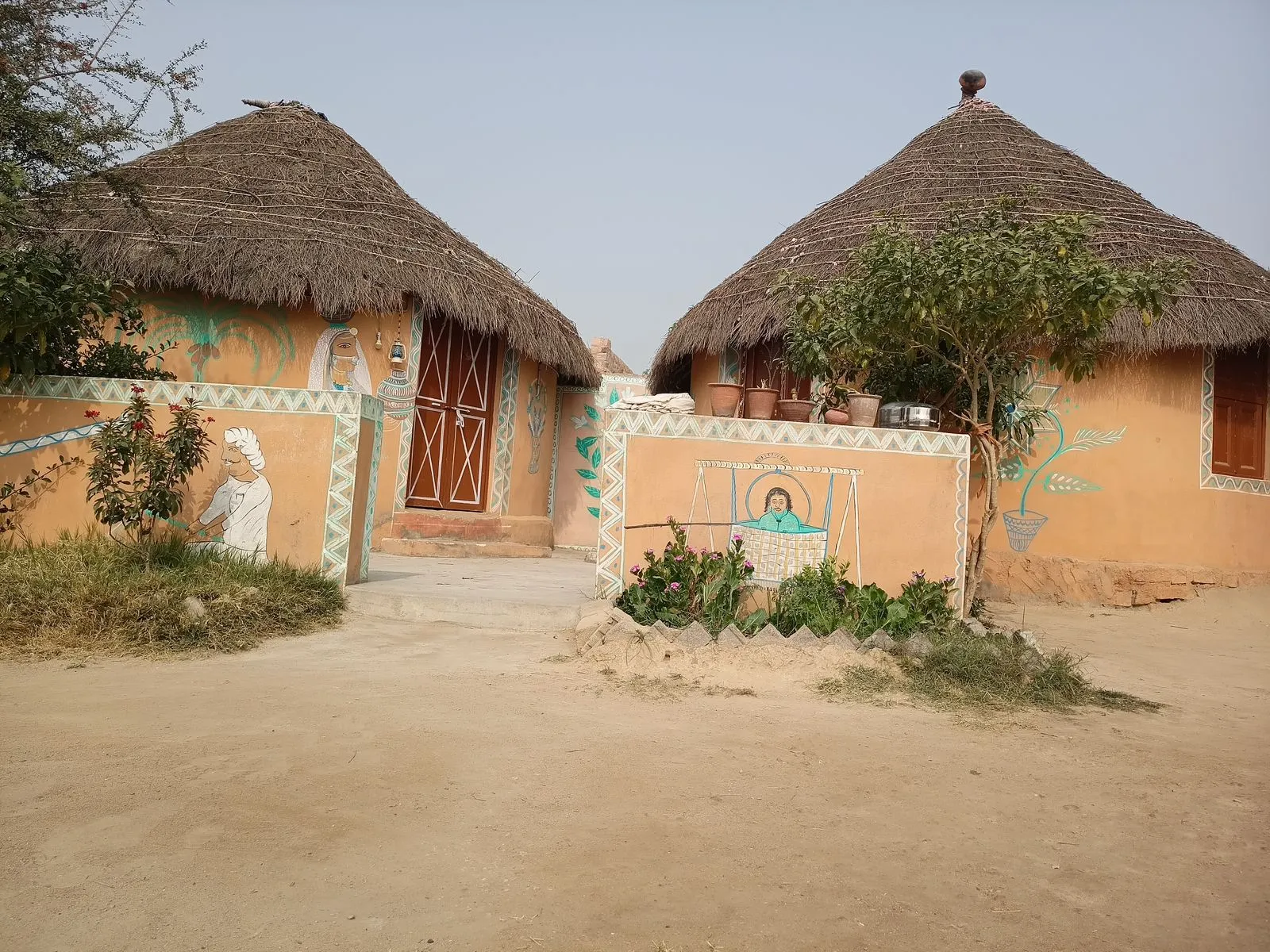
While the Bishnoi community is famous for its conservation, the artistic heartbeat of the Jodhpur desert lies in the village of Salawas. For over 14 generations, the Prajapat and Meghwal weaving communities have lived side-by-side with the Bishnois, preserving the ancient craft of the Panja Dhurrie.

On our Bishnoi Village Safari, we take you directly to the looms of these master weavers to witness a craft that has transitioned from tribal utility to global art.

1. The Legacy of the Prajapat Weavers

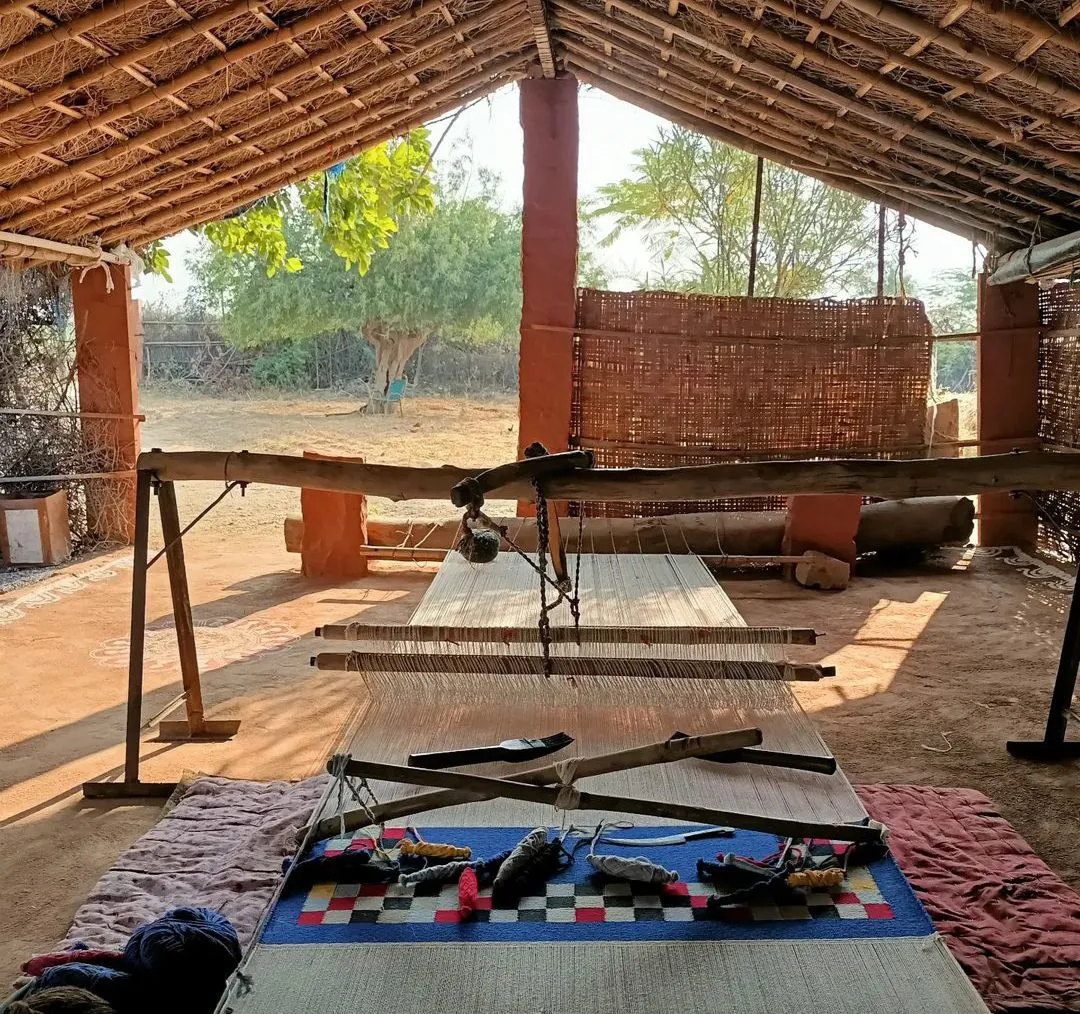
The weaving tradition in Salawas is an ancestral skill passed down from father to son. Unlike factory-made carpets, these rugs are hand-woven on horizontal looms using the traditional “Panja” (a heavy metal comb) to pack the threads.

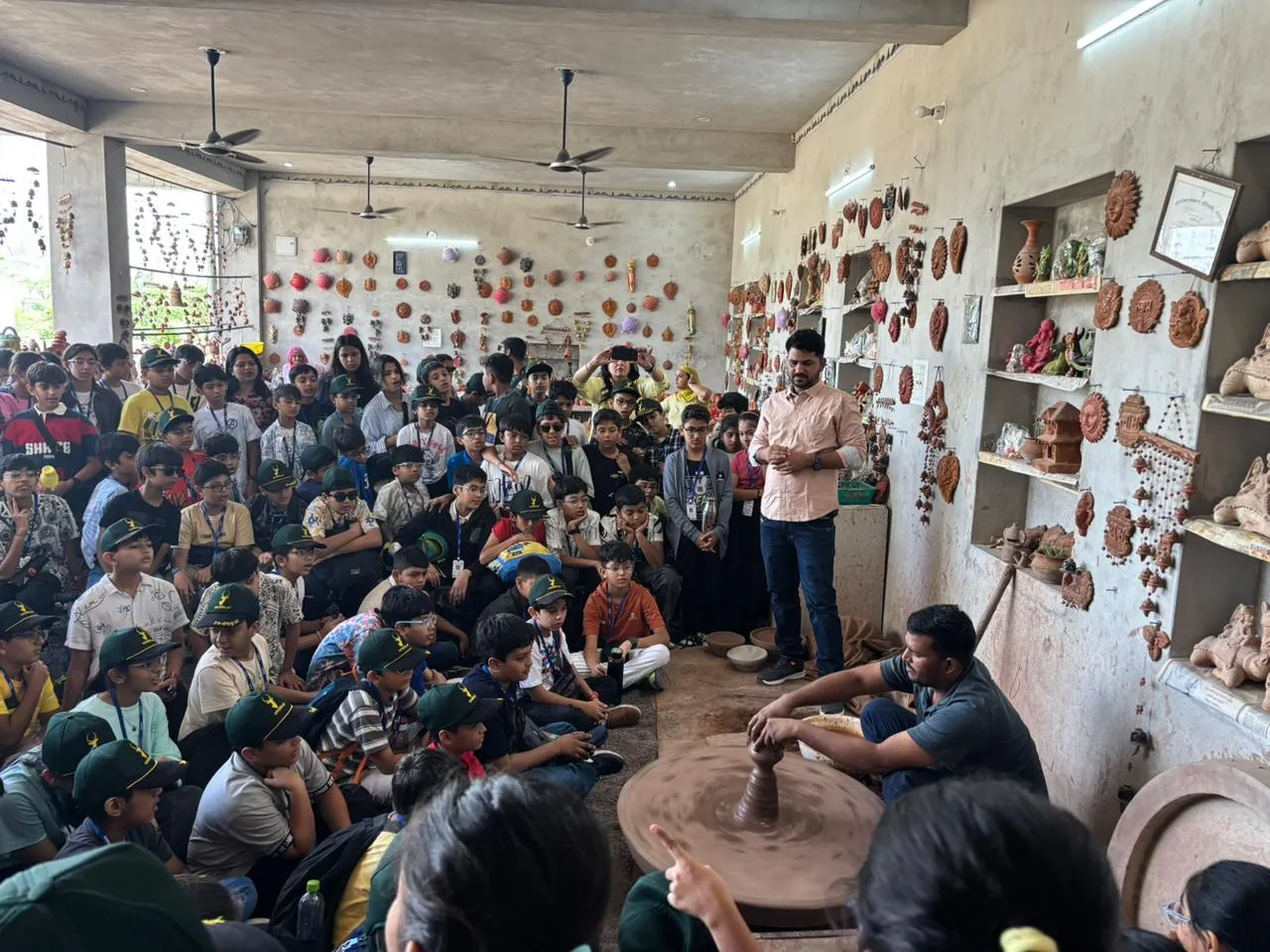
  • The Community: The Prajapat weavers were originally a pottery-making community who branched into weaving centuries ago to provide durable floor coverings (Durries) for the desert lifestyle.

  • Generational Art: Today, Salawas is home to over 200 families who keep this “Panja Dhubri” technique alive, making it the most famous weaving hub in Western Rajasthan.

2. The Art of the Panja Dhurrie: How it’s Made

Every rug you see in Salawas is a masterpiece of patience and precision. These are Flat-Woven Rugs, meaning they have no pile (hair) and are completely reversible.

The Material & Process:

  • 100% Natural Fibers: Traditionally, weavers used camel, goat, and sheep wool. Today, they use high-quality cotton and silk to create rugs that are lightweight, durable, and termite-resistant.

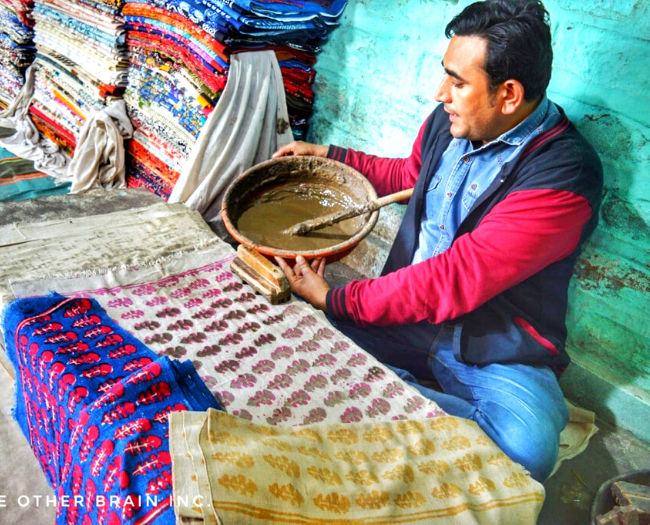
  • Natural Dyeing: The vibrant colors—Deep Indigo, Saffron Orange, and Madder Red—are often derived from vegetable dyes like turmeric, henna, and indigo.

  • The Weave: Using a manual loom anchored into the ground, the weaver interlocks the warp and weft threads. The “Panja” tool is used to beat the threads together so tightly that the rug can last for over 50 years.

3. Symbolic Designs: Stories in Every Thread

The patterns you see on Salawas Durries aren’t just for decoration; they are symbols of the desert.

  • Geometric Motifs: Triangles and rhombuses represent the shifting sand dunes.

  • Nature-Inspired: Look for the Peacock (symbol of grace) and the Camel (the ship of the desert) woven into the borders.

  • The “Jhat-Patti” Style: A traditional, heavy-duty style originally used on camel backs to protect oil wells in ancient times.

4. Why Support the Salawas Artisan Cooperative?

When you visit Salawas with Bhagirath Bishnoi, you are supporting Direct Trade.

  • No Middlemen: Most carpets sold in Jodhpur city or Delhi have a 200% markup. By visiting the weaver’s home, you pay the fair price directly to the artisan.

  • Empowering Families: In Salawas, weaving is a family affair. Both men and women collaborate on the looms, ensuring the survival of the village economy.

  • Authenticity Guarantee: You are not buying a “machine-made” copy. You are buying a piece of Jodhpur’s soul.

Experience Live Weaving on Your Safari

As part of our Bishnoi Village Safari Jodhpur, we stop at a traditional weaver’s home. You can:

  • Sit on the Loom: Try your hand at using the Panja comb.

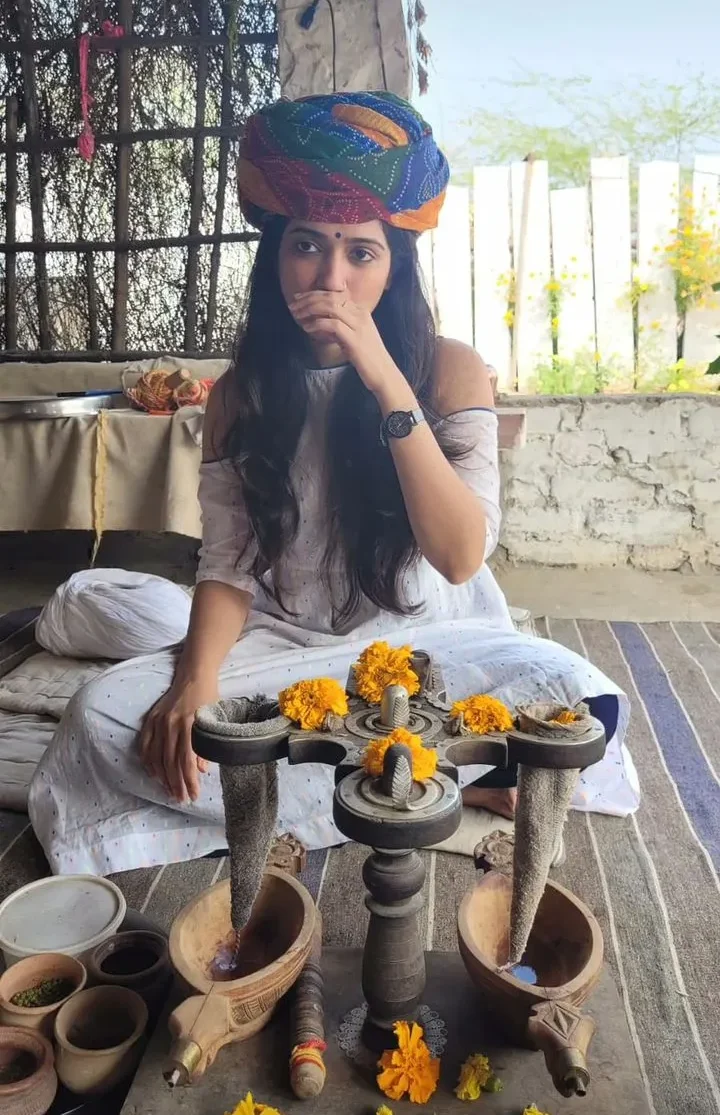
  • Watch the Dyeing: See how natural colors are blended.

  • Custom Orders: Many travelers choose to design their own rugs, which the weavers can ship anywhere in the world.

Taste the Authentic Culture Bishnoi Village Safari

Experience the warmth of a traditional Rajasthani welcome. Book directly with Bhagirath Bishnoi for an exclusive, non-commercial tour that takes you into the heart of our homes and history.